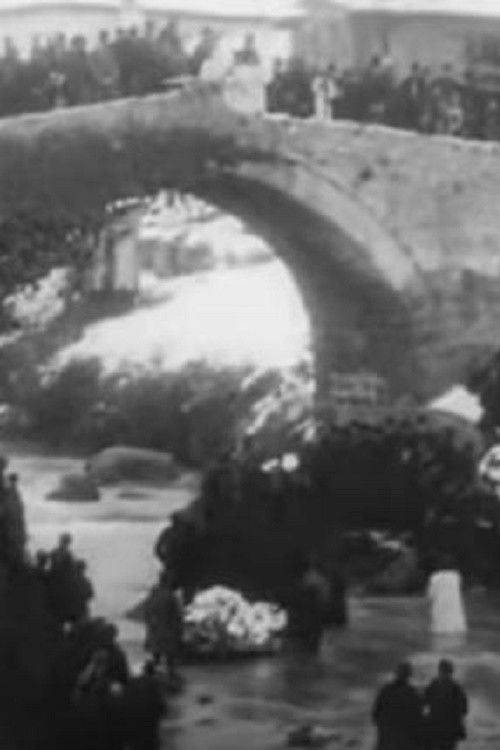
The Celebration of the Religious Festival Epiphany 1905
Step back in time to 1905 with *The Celebration of the Religious Festival Epiphany*, one of the earliest surviving films from the Balkan region.
Director: Yanaki Manaki
Frequently Asked Questions
What is *The Celebration of the Religious Festival Epiphany* (1905) about?
This short documentary captures a religious festival celebration from 1905, offering a rare visual record of Balkan traditions from the early 20th century. The film documents communal gatherings and cultural rituals, preserving them for future generations.
Who directed *The Celebration of the Religious Festival Epiphany*?
The film was directed by Yanaki Manaki, a pioneering figure in early Balkan cinema whose work remains influential in the region's film heritage.
Who stars in *The Celebration of the Religious Festival Epiphany*?
The cast is not listed in historical records, as this was a documentary capturing real-life events rather than a narrative production.
Is *The Celebration of the Religious Festival Epiphany* (1905) worth watching?
As one of the earliest films from the Balkans, it's a fascinating piece of cinematic history, though its brevity and lack of narrative may limit its appeal to casual viewers. Film enthusiasts and historians will likely find it most compelling.
How long is *The Celebration of the Religious Festival Epiphany*?
The film runs for approximately 2 minutes.
About The Celebration of the Religious Festival Epiphany (1905) — A Rare 1905 Film Documenting Balkan Religious Tradition
Step back in time to 1905 with *The Celebration of the Religious Festival Epiphany*, one of the earliest surviving films from the Balkan region. Directed by Yanaki Manaki, this brief but historic documentary offers a rare glimpse into the traditions and communal spirit of an era long past. Shot in black-and-white, the film captures the essence of a religious festival through simple yet evocative imagery, evoking curiosity about early cinema's ability to preserve cultural heritage. Though just two minutes long, its significance lies in its role as a time capsule, showcasing how communities gathered to celebrate shared faith and tradition.
This short film isn't just a footnote in film history—it's a living artifact that bridges the gap between 19th-century rituals and modern audiences. With no cast listed, the focus remains entirely on the event itself, allowing viewers to immerse themselves in the atmosphere of the celebration. Whether you're a film historian, a student of early cinema, or simply someone who appreciates the origins of visual storytelling, *The Celebration of the Religious Festival Epiphany (1905)* offers a unique window into a moment frozen in time.