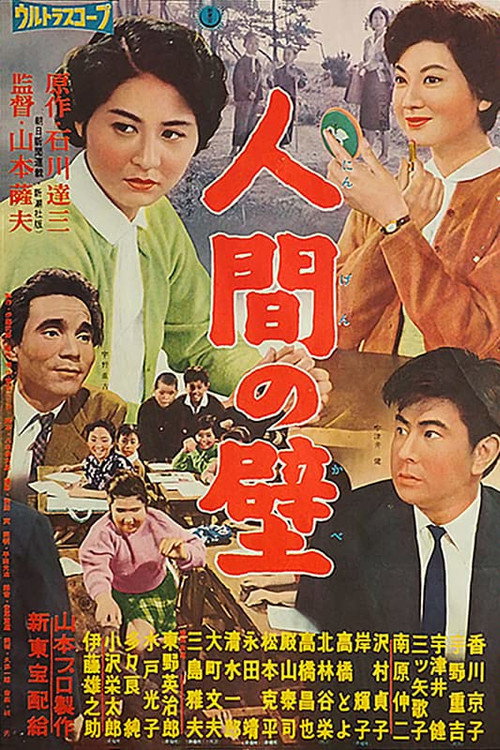
The Human Wall 1959
Step into early-1960s Japan with Satsuo Yamamoto's stirring drama, The Human Wall (1959), a 146-minute testament to quiet resilience. Kyōko Kagawa stars as Fumiko, a dedicated female teacher whose ideals of fairness clash with the rigid expectations of her workplace and home.
Director: Satsuo Yamamoto
Cast
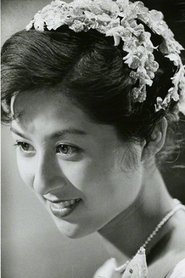
Kyōko Kagawa
Fumiko
Jūkichi Uno
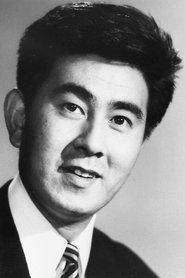
Ken Utsui
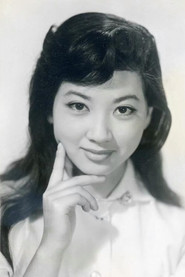
Utako Mitsuya
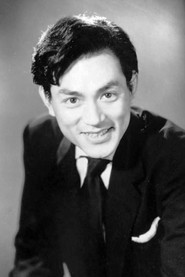
Kōji Nanbara
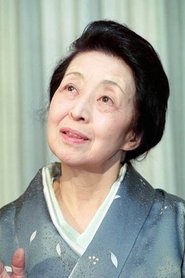
Sadako Sawamura
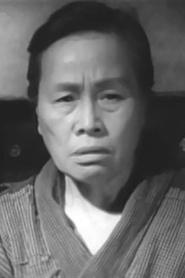
Teruko Kishi
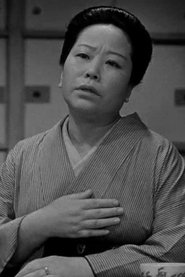
Toyo Takahashi
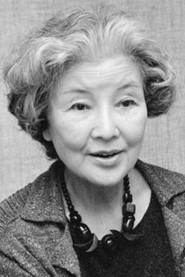
Tanie Kitabayashi
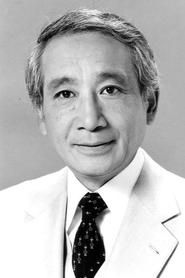
Masaya Takahashi
Frequently Asked Questions
What is The Human Wall (1959) about?
The Human Wall follows Fumiko, a passionate teacher whose commitment to education collides with the unyielding traditions of her family and school. As she navigates work, marriage, and motherhood, she discovers the crushing weight of compromise in a society that expects women to anchor everyone but themselves.
Who directed The Human Wall?
The Human Wall was directed by Satsuo Yamamoto, a prominent figure in Japanese post-war cinema known for his socially conscious storytelling and humanist approach.
Who stars in The Human Wall?
The film features a talented ensemble led by Kyōko Kagawa, Jūkichi Uno, Ken Utsui, Utako Mitsuya, and Kōji Nanbara, with veteran Sadako Sawamura adding gravitas.
Is The Human Wall (1959) worth watching?
Though not widely rated on IMDb, The Human Wall is well worth watching for fans of classic Japanese drama. Its thoughtful exploration of gender roles and quiet heroism offers depth rarely seen in mainstream cinema of the era.
How long is The Human Wall?
The runtime is 146 minutes—just over two and a half hours of unhurried, immersive storytelling.
About The Human Wall (1959) — A Quiet Japanese Drama of Duty and Dreams
Step into early-1960s Japan with Satsuo Yamamoto's stirring drama, The Human Wall (1959), a 146-minute testament to quiet resilience. Kyōko Kagawa stars as Fumiko, a dedicated female teacher whose ideals of fairness clash with the rigid expectations of her workplace and home. Each day becomes a balancing act between nurturing young minds and meeting societal obligations, painting a vivid portrait of mid-century womanhood caught in the currents of change.
Yamamoto's film unfolds with understated intensity, transforming ordinary classrooms and kitchens into stages of emotional confrontation. The Human Wall (1959) delivers a powerful meditation on duty, sacrifice, and the invisible walls women build to protect their dreams, all wrapped in the era's restrained yet evocative visual style. It's a moving experience for fans of character-driven dramas who crave authenticity over spectacle.