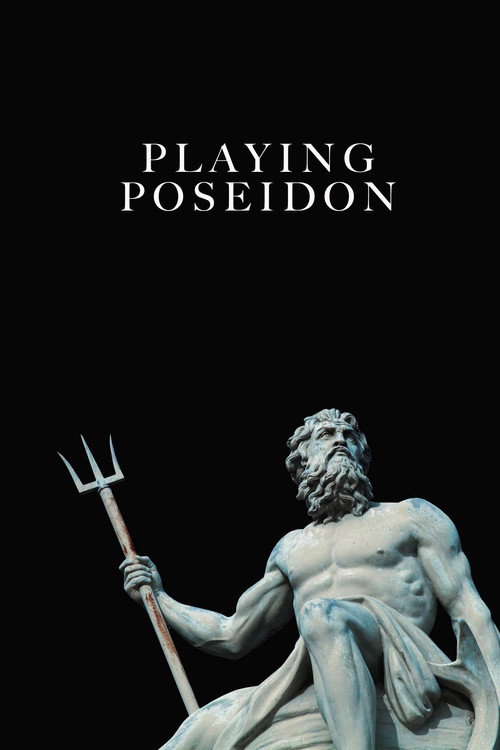
Playing Poseidon 1996
Dive into the nostalgic world of *Playing Poseidon (1996)*, a short but evocative documentary directed by R.X. Rubio that weaves childhood memories with the aftermath of a stormy night.
Director: R.X. Rubio
Frequently Asked Questions
What is Playing Poseidon (1996) about?
*Playing Poseidon* explores childhood memories tied to actress Shelley Winters, framed around the emotional weight of the morning after a significant event. The film blends personal reflection with visual storytelling, creating a poignant snapshot of nostalgia and aftermath.
Who directed Playing Poseidon?
R.X. Rubio directed *Playing Poseidon (1996)*, bringing a delicate and introspective approach to this short documentary.
Who stars in Playing Poseidon?
The film primarily focuses on the legacy of Shelley Winters, while the rest of the cast details are not widely documented.
Is Playing Poseidon (1996) worth watching?
As a sharp, atmospheric short documentary, *Playing Poseidon (1996)* appeals to fans of reflective cinema and those interested in Shelley Winters' enduring influence. While its brevity limits depth, its emotional resonance makes it a compelling watch for niche audiences.
How long is Playing Poseidon?
*Playing Poseidon (1996)* has a runtime of 11 minutes.
About Playing Poseidon (1996) — A Short Documentary Reflecting on Childhood and Loss
Dive into the nostalgic world of *Playing Poseidon (1996)*, a short but evocative documentary directed by R.X. Rubio that weaves childhood memories with the aftermath of a stormy night. Through a lens both personal and poetic, the film captures the essence of fleeting moments and the weight of recollection, anchored by a narrative that feels like a whispered secret. The atmosphere is dreamlike yet grounded, blending introspection with the raw emotion of remembering a loved one, in this case, the legendary Shelley Winters.
As a documentary under two decades long, *Playing Poseidon (1996)* stands out for its intimate tone and focus on the personal over the spectacular. Rubio's direction leans into subtlety, letting the memories breathe while grounding the film in a sense of place and time. The themes of nostalgia, loss, and the passage of time resonate deeply, making it a poignant watch for fans of reflective cinema. Whether you're drawn in by the director's unique vision or the chance to revisit Winters' legacy in a new light, this short film offers a brief but memorable cinematic experience.