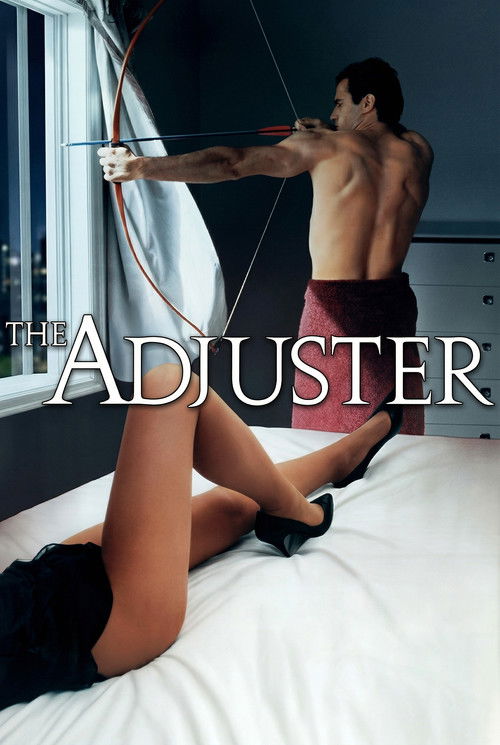
The Adjuster 1991
"Some people work in mysterious ways."
In Atom Egoyan's unsettling 1991 drama-thriller *The Adjuster*, the quiet life of an insurance adjuster unravels when he and his wife—a film censor with a rigid moral compass—become the landlords of an unconventional couple.
Director: Atom Egoyan
Cast

Elias Koteas
Noah

Arsinée Khanjian
Hera

Maury Chaykin
Bubba

Gabrielle Rose
Mimi

Jennifer Dale
Arianne
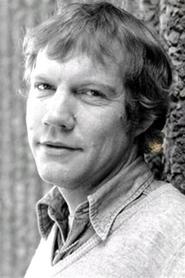
David Hemblen
Bert, the head censor
Rose Sarkisyan
Seta, Hera's sister
Armen Kokorian
Simon, Hera's child

Jacqueline Samuda
Louise, the maid
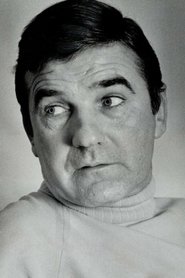
Gerard Parkes
Tim
Frequently Asked Questions
What is The Adjuster (1991) about?
The film follows an uptight insurance adjuster and his wife, a film censor, whose orderly lives are disrupted when they rent their home to a mysterious couple with an unorthodox lifestyle. Their role as landlords forces them to confront their own repressed desires and the fragility of their moral judgments.
Who directed The Adjuster?
The Adjuster was directed by Atom Egoyan, a filmmaker known for his introspective dramas that delve into themes of identity, control, and human connection.
Who stars in The Adjuster?
The lead roles are played by Elias Koteas, Arsinée Khanjian, Maury Chaykin, Gabrielle Rose, and Jennifer Dale.
Is The Adjuster (1991) worth watching?
While not a mainstream hit, *The Adjuster* is a compelling watch for fans of psychological thrillers and character-driven dramas. Egoyan's direction and the strong performances create a tense, thought-provoking experience that lingers long after the credits roll.
How long is The Adjuster?
The Adjuster (1991) has a runtime of 102 minutes, or approximately 1 hour and 42 minutes.
🎥 Trailer
About The Adjuster (1991) — A Dark Psychological Thriller from Atom Egoyan
In Atom Egoyan's unsettling 1991 drama-thriller *The Adjuster*, the quiet life of an insurance adjuster unravels when he and his wife—a film censor with a rigid moral compass—become the landlords of an unconventional couple. What begins as a routine property transaction spirals into a psychological exploration of boundaries, desire, and the hidden cracks in suburban facades. Egoyan crafts a moody, atmospheric narrative that blends professional detachment with personal turmoil, all while probing the tension between control and surrender.
The film's restrained visuals and slow-burn tension mirror the characters' own repressed instincts, culminating in a darkly ironic exploration of how easily lives—and identities—can be adjusted, sometimes irrevocably.