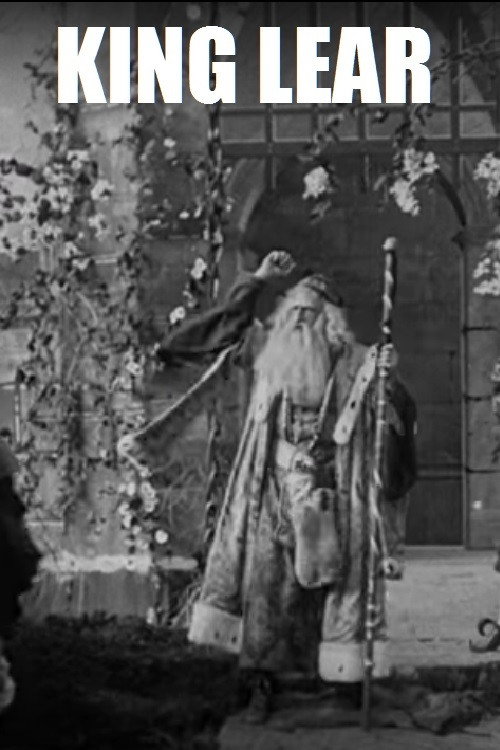
King Lear 1909
One of the earliest cinematic takes on Shakespeare's tragic tale, *King Lear (1909)* delivered by Vitagraph Studios under J. Stuart Blackton's direction brings a tactile, early silent-film charm to the throne-room drama.
Director: J. Stuart Blackton
Cast
Frequently Asked Questions
What is King Lear (1909) about?
This early silent adaptation follows the aging King Lear as he divides his kingdom among two deceitful daughters, setting off a chain of betrayal, exile, and madness. Set against the backdrop of treacherous family bonds and a kingdom in turmoil, it compresses Shakespeare's sprawling tragedy into 13 gripping minutes.
Who directed King Lear?
J. Stuart Blackton, a pioneer of American silent cinema and co-founder of Vitagraph Studios, directed *King Lear (1909)*. Known for pushing visual storytelling, Blackton brought a bold and tactile approach to this ambitious adaptation.
Who stars in King Lear?
William V. Ranous takes the lead role in this adaptation, portraying King Lear with gravitas and intensity.
Is King Lear (1909) worth watching?
While it lacks modern conveniences like sound or long runtime, *King Lear (1909)* remains a fascinating historical curiosity for silent film and Shakespeare enthusiasts. Its raw visual storytelling and ambitious adaptation make it a must-see for fans of early cinema, even if it's more valuable as an artifact than as a full dramatic experience.
How long is King Lear?
King Lear (1909) runs for 13 minutes, capturing the essence of Shakespeare's tragedy in a tightly compressed silent format.
🎥 Trailer
About King Lear (1909): The Silent Adaptation That Captured Shakespeare's Fury
One of the earliest cinematic takes on Shakespeare's tragic tale, *King Lear (1909)* delivered by Vitagraph Studios under J. Stuart Blackton's direction brings a tactile, early silent-film charm to the throne-room drama. Stripped of dialogue but rich in visual storytelling, this 13-minute adaptation leans on the stark contrast between power and vulnerability, loyalty and betrayal. The story unfolds with a raw intensity that feels surprisingly modern for its era, immersing viewers in the storm-lashed turmoil of a monarch's unraveling reign. Shot with a gritty authenticity, the film captures the emotional weight of greed and familial fracture long before sound became cinema's lifeblood.
Blackton's ambition shines through in the film's bold framing and deliberate pacing, even as the constraints of silent film technology occasionally peek through. Centered on Lear's tragic descent into madness, the story's timeless themes of age, authority, and the cost of pride resonate as strongly in 1909 as they do today. Though brief and unrated, *King Lear (1909)* stands as a fascinating artifact—a testament to the art form's infancy and a bold experiment in adapting Shakespeare for the screen.