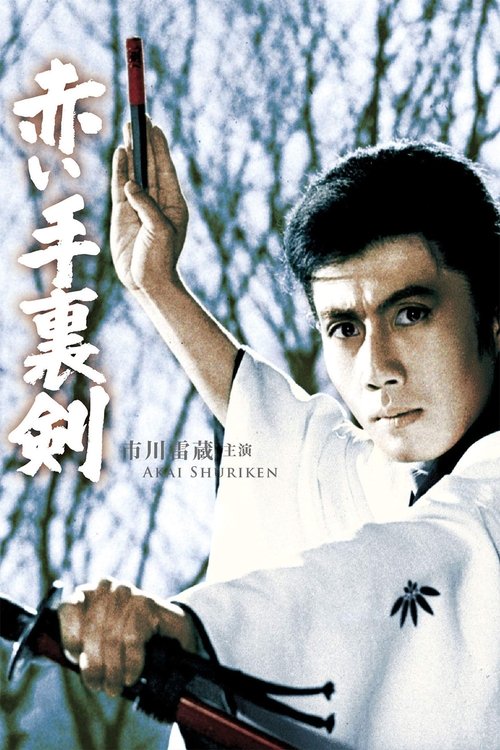
Bloody Shuriken 1965
In the turbulent world of feudal Japan, the brooding ronin Ibuki-san arrives in a divided town, offering his lethal blade to the highest bidder among warring clans.
Director: Tokuzō Tanaka
Cast





Frequently Asked Questions
What is Bloody Shuriken (1965) about?
*Bloody Shuriken* follows the wandering samurai Ibuki-san as he peddles his sword to feuding factions in a fractured town. His fleeting romance with a horse stable owner offers a fragile reprieve, but his path—and the film's relentless momentum—leave little room for permanence.
Who directed Bloody Shuriken?
*Bloody Shuriken* was helmed by Tokuzō Tanaka, a filmmaker known for his contributions to jidaigeki (period drama) and action cinema in post-war Japan.
Who stars in Bloody Shuriken?
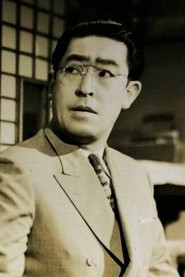
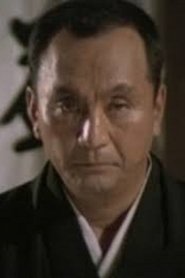
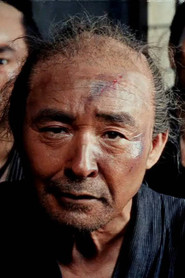
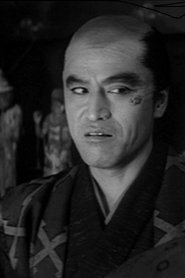
The film stars Raizō Ichikawa in the lead role, supported by Chitose Kobayashi, Masumi Harukawa, Kōji Nanbara, and Isao Yamagata.
Is Bloody Shuriken (1965) worth watching?
For fans of classic samurai action and drama, *Bloody Shuriken* offers a tight, atmospheric experience. While it lacks an IMDb rating, its blend of swordplay, romance, and moral ambiguity makes it a compelling watch for enthusiasts of the genre.
How long is Bloody Shuriken?
*Bloody Shuriken* runs for 87 minutes, delivering a brisk yet immersive narrative.
About Bloody Shuriken (1965) — A Gritty Samurai Tale of Love, War, and the Inevitable Blade
In the turbulent world of feudal Japan, the brooding ronin Ibuki-san arrives in a divided town, offering his lethal blade to the highest bidder among warring clans. Directed by the masterful Tokuzō Tanaka in *Bloody Shuriken (1965)*, this gritty drama-action hybrid weaves a tale of swordplay, betrayal, and fleeting romance. As Ibuki navigates the treacherous landscape of loyalties, he crosses paths with a radiant horse stable owner whose quiet strength briefly grounds his wandering spirit. Yet, like the shuriken itself, his destiny remains swift and unforgiving.
With Raizō Ichikawa delivering a magnetic performance as the stoic yet conflicted Ibuki, and Chitose Kobayashi adding depth as the object of his affection, *Bloody Shuriken* (1965) blends raw action with melancholic introspection. The film's stark atmosphere—bathed in shadows and simmering tension—echoes the classic samurai themes of honor, sacrifice, and the inevitability of fate. A hidden gem of the genre, it's a story where every throw of the dagger carries weight, and every glance lingers like a ghost.