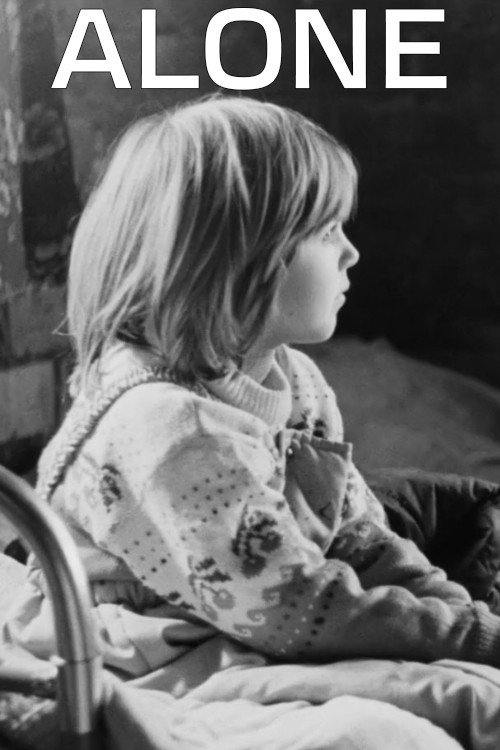
Alone 2001
Directed by the acclaimed Lithuanian filmmaker Audrius Stonys, *Alone (2001)* is a poignant 18-minute documentary that captures the quiet despair of a child's journey to visit her imprisoned mother.
Director: Audrius Stonys
Frequently Asked Questions
What is *Alone (2001)* about?
The film follows a young girl on her way to visit her mother in prison, capturing her overwhelming sense of isolation as she stares silently out the car window. It's a deeply moving exploration of loneliness, unseen struggles, and the quiet resilience of a child navigating a painful reality.
Who directed *Alone*?
The film was directed by Audrius Stonys, a visionary Lithuanian filmmaker known for his poetic and socially conscious documentaries.
Who stars in *Alone*?
The cast is not prominently listed, but the film centers on an unnamed child whose emotional journey drives the narrative.
Is *Alone (2001)* worth watching?
As a short documentary, *Alone* offers a powerful, atmospheric experience that's both visually striking and emotionally resonant. While it may not suit viewers seeking action or dialogue-driven stories, its themes of solitude and human connection make it a compelling watch for fans of thoughtful, minimalist cinema.
How long is *Alone*?
The film has a runtime of 18 minutes.
About Alone (2001) — A Short Documentary on Silence and Separation
Directed by the acclaimed Lithuanian filmmaker Audrius Stonys, *Alone (2001)* is a poignant 18-minute documentary that captures the quiet despair of a child's journey to visit her imprisoned mother. As the unnamed girl sits silently in the backseat of a car, her gaze fixed on the passing landscape, the film explores themes of isolation, loss, and the unspoken emotions that define her solitude. Stonys' intimate, observational style transforms a simple road trip into a profound meditation on separation and resilience, leaving viewers to ponder the weight of silence and the spaces between words.
The documentary's haunting atmosphere is heightened by its stark visuals and minimalist storytelling, which refuses to offer easy answers. Rather than relying on dialogue, *Alone (2001)* lets the child's expression and the landscape itself speak volumes, creating an immersive experience that lingers long after the credits roll. With a runtime perfect for a reflective viewing, this short film is a masterclass in conveying emotion through restraint.