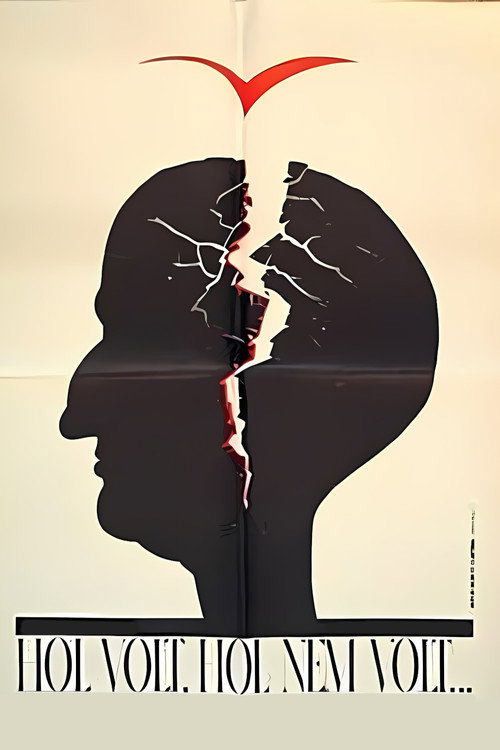
A Hungarian Fairy Tale 1987
"A Hungarian Fairy Tale (1987)" weaves a surreal, black-and-white fantasy that follows the absurd adventures of Andris, an orphan chasing an imaginary father, and Orban, a disillusioned government clerk rebelling against stifling bureaucracy.
Director: Gyula Gazdag
Cast

Frequently Asked Questions
What is A Hungarian Fairy Tale (1987) about?
This surreal fantasy follows Andris, an orphan determined to find a father who never existed, while Orban, a weary government clerk, tires of an oppressive system and seeks escape. Together, their disjointed journeys unfold in a world where logic and reality blur together.
Who directed A Hungarian Fairy Tale?
Gyula Gazdag directed this bold and unconventional film, blending fantasy with sharp social commentary.
Who stars in A Hungarian Fairy Tale?
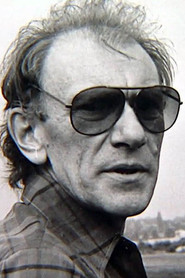
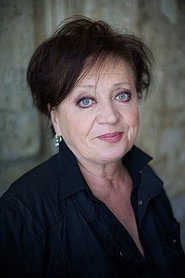
The film features Dávid Vermes as Andris, alongside Pál Hetényi as Orban, with supporting roles from František Husák, Varga Mária, and Csákányi Eszter.
Is A Hungarian Fairy Tale (1987) worth watching?
At 97 minutes, this black-and-white fantasy offers a unique mix of absurd humor and social critique, making it a hidden gem for fans of offbeat cinema. While not widely known, its themes of authority and identity still resonate, especially for those who appreciate unconventional storytelling.
How long is A Hungarian Fairy Tale?
The runtime for A Hungarian Fairy Tale is 97 minutes.
A Hungarian Fairy Tale (1987): Exploring Bureaucracy and Absurdity — Full Movie Info
"A Hungarian Fairy Tale (1987)" weaves a surreal, black-and-white fantasy that follows the absurd adventures of Andris, an orphan chasing an imaginary father, and Orban, a disillusioned government clerk rebelling against stifling bureaucracy. Directed by Gyula Gazdag, this unconventional tale blends dark humor with biting social commentary, exploring themes of identity, authority, and the absurdity of quests with no clear destination. The stark monochrome cinematography heightens the dreamlike atmosphere, transforming a seemingly simple journey into a visually striking and thought-provoking satire of post-communist life in Hungary.
The film's unique charm lies in its gentle absurdity and the way it balances whimsy with sharp critique. Gazdag's direction crafts a world where logic bends to the surreal, and even the most mundane tasks—like navigating a Kafkaesque bureaucracy—become epic trials. With a runtime that keeps the pacing brisk and engaging, "A Hungarian Fairy Tale" offers a rare blend of fantasy and social realism, inviting viewers to ponder whether Andris and Orban are chasing ghosts or simply running from the weight of their own expectations.