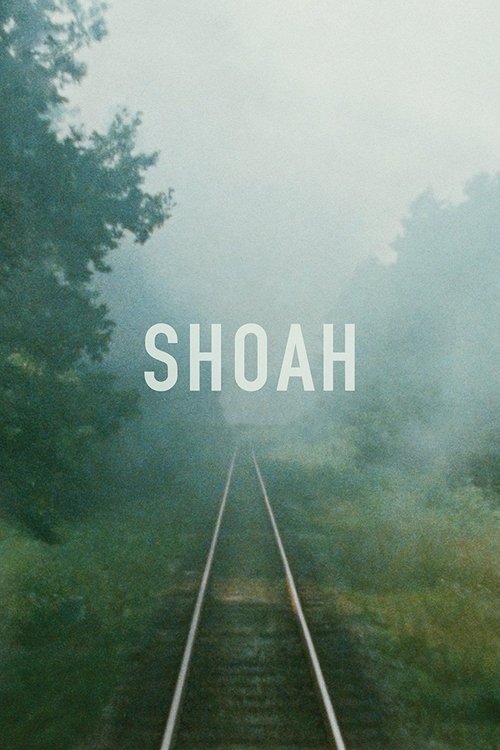
Shoah 1985
Claude Lanzmann's monumental *Shoah* (1985) is a harrowing and unflinching documentary that redefines Holocaust remembrance through raw, unfiltered testimony.
Director: Claude Lanzmann
Cast
Frequently Asked Questions
What is Shoah (1985) about?
*Shoah* is a monumental documentary that captures the Holocaust through the unfiltered voices of survivors, bystanders, and perpetrators. Director Claude Lanzmann spent over a decade collecting testimonies, including haunting accounts from Chelmno survivors, an Auschwitz escapee, and witnesses of the Warsaw Ghetto Uprising. The film avoids archival footage entirely, relying solely on firsthand narratives to bear witness to unimaginable horrors.
Who directed Shoah?
*Shoah* was directed by the legendary French filmmaker Claude Lanzmann, who dedicated eleven years of his life to this project.
Who stars in Shoah?
The documentary features powerful testimonies from survivors Simon Srebnik and Michael Podchlebnik, escapee Motke Zaidl, resistance figure Jan Karski, and Holocaust survivor Paula Biren.
Is Shoah (1985) worth watching?
As a documentary, *Shoah* (1985) is both challenging and profoundly important. Its 9.4-hour runtime demands patience, but the raw emotional weight of the testimonies makes it a landmark in Holocaust cinema. While not an easy watch, it offers a perspective that no other film can match.
How long is Shoah?
*Shoah* runs for a staggering 566 minutes, or approximately 9 hours and 26 minutes.
🎥 Trailer
About Shoah (1985) — The Unflinching Holocaust Testimony That Redefined Documentary Filmmaking
Claude Lanzmann's monumental *Shoah* (1985) is a harrowing and unflinching documentary that redefines Holocaust remembrance through raw, unfiltered testimony. After spending over a decade gathering accounts, Lanzmann crafts a haunting mosaic of memory by dividing witnesses into survivors, bystanders, and perpetrators, each revealing the unimaginable truths of the Nazi genocide. The film weaves together chilling recollections—from survivors of the Chelmno death camp and an Auschwitz escapee to accounts of the Warsaw Ghetto Uprising and a former SS officer's chilling admission of Treblinka's gas chambers—all without relying on archival footage. The atmosphere is suffocating, a deliberate choice to force audiences to confront the horrors through eyewitness voices alone.
*Shoah* transcends traditional documentary filmmaking, becoming a monument to human resilience and a stark indictment of evil. Lanzmann's methodical, uncompromising approach strips away any illusion of distance, immersing viewers in the trauma of those who lived through it. Simon Srebnik, Michael Podchlebnik, and Motke Zaidl's testimonies stand alongside harrowing accounts from Jan Karski and Paula Biren, each contributing to a narrative that feels both personal and universal. For those seeking to understand the Holocaust beyond statistics, *Shoah* (1985) is an essential, if devastating, experience.