The Makioka Sisters 1983
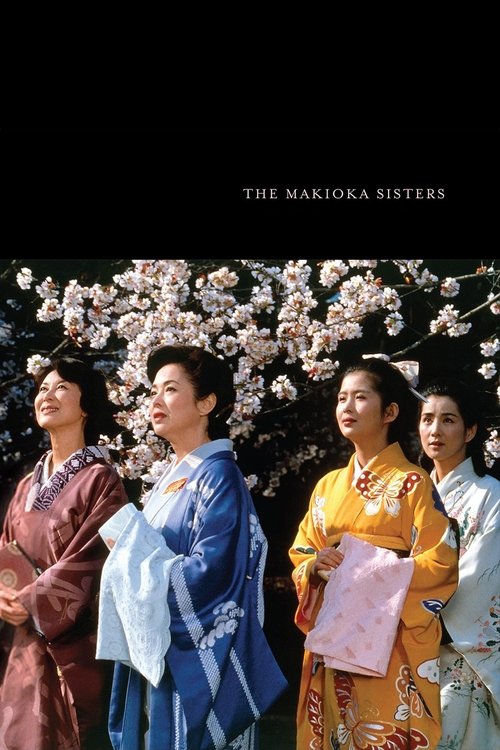
Kon Ichikawa's *The Makioka Sisters* (1983) is a breathtaking cinematic portrait of grace and transition, following four sisters from Osaka's elite Makioka family as they reunite in Kyoto each spring to celebrate the cherry blossoms.
Director: Kon Ichikawa
Cast
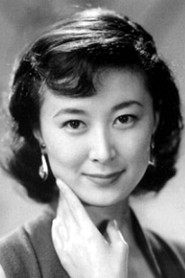
Keiko Kishi
Tsuruko Makioka
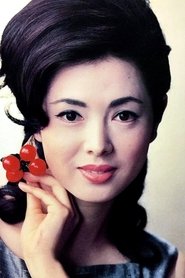
Yoshiko Sakuma
Sachiko Makioka
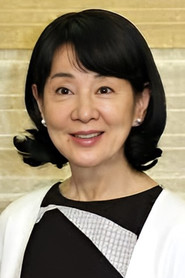
Sayuri Yoshinaga
Yukiko Makioka

Yuko Kotegawa
Taeko Makioka
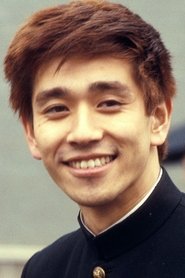
Koji Ishizaka
Teinosuke
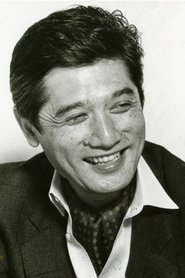
Toshiyuki Hosokawa
Hashidera

Ittoku Kishibe
Itakura
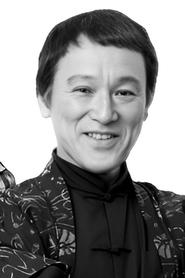
Jūzō Itami
Tatsuo
Takenori Emoto
Higashiya

Jun Hamamura
Otokichi
Frequently Asked Questions
What is The Makioka Sisters (1983) about?
This 1983 drama follows four sisters from Osaka's Makioka family as they reunite in Kyoto each spring to admire the cherry blossoms. The film contrasts their traditional lifestyle with the shifting tides of pre-war Japan, exploring themes of duty, love, and the passage of time through their personal journeys.
Who directed The Makioka Sisters?
The Makioka Sisters (1983) was directed by Kon Ichikawa, a renowned Japanese filmmaker known for his visually stunning and emotionally rich storytelling.
Who stars in The Makioka Sisters?
The film stars Keiko Kishi, Yoshiko Sakuma, Sayuri Yoshinaga, and Yuko Kotegawa as the four Makioka sisters, alongside Koji Ishizaka and Toshiyuki Hosokawa in pivotal supporting roles.
Is The Makioka Sisters (1983) worth watching?
With its elegant direction and deep emotional resonance, *The Makioka Sisters* offers a rewarding experience for fans of period dramas and character-driven storytelling. While it lacks a traditional plot, its atmospheric beauty and themes of family and change make it a standout film in Kon Ichikawa's filmography.
How long is The Makioka Sisters?
The Makioka Sisters (1983) has a runtime of 140 minutes.
About The Makioka Sisters (1983) — A Poetic Drama of Family and Seasonal Change
Kon Ichikawa's *The Makioka Sisters* (1983) is a breathtaking cinematic portrait of grace and transition, following four sisters from Osaka's elite Makioka family as they reunite in Kyoto each spring to celebrate the cherry blossoms. Set against the backdrop of pre-war Japan, the film weaves together themes of tradition and modernity, duty and desire, all while capturing the delicate beauty of seasonal change. With its lush visuals and understated emotional depth, Ichikawa's direction transforms the sisters' rituals into a meditation on time, memory, and the quiet revolutions unfolding beneath societal norms.
The Makioka Sisters (1983) unfolds like a quiet symphony, where the splendor of cherry blossoms mirrors the fleeting nature of life and love. The sisters' contrasting personalities—from the rebellious Taeko to the steadfast Sachiko—create a dynamic tapestry of relationships, each layer revealing the pressures of family expectations and personal freedom. Ichikawa's masterful storytelling blends romance and drama, making this film a timeless exploration of both a family's legacy and the universal human experience.