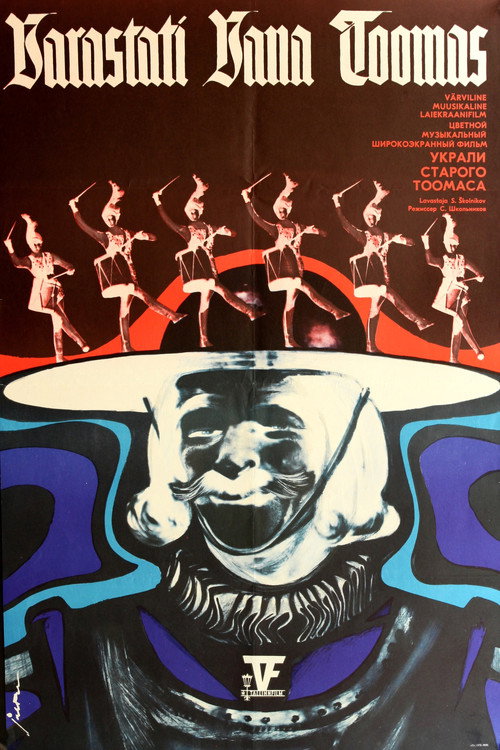
The Old Thomas was Stolen 1970
In the whimsical Estonian comedy *The Old Thomas was Stolen (1970)*, directed by Semjon Školnikov, the iconic city guardian Old Thomas abandons his centuries-old post atop Tallinn Town Hall to play Cupid's protector for a young couple in love.
Director: Semjon Školnikov
Cast



Frequently Asked Questions
What is *The Old Thomas was Stolen (1970)* about?
This Estonian comedy follows the legendary Old Thomas, a city guardian statue who ditches his tower to safeguard a young couple in love, leading to a lively chase across Tallinn. Packed with folk music and comedic antics, the film celebrates the city's history in a playful way.
Who directed *The Old Thomas was Stolen*?
Semjon Školnikov directed this charming comedy, infusing the film with a distinctive blend of musical and comedic elements.
Who stars in *The Old Thomas was Stolen*?
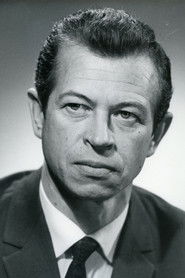
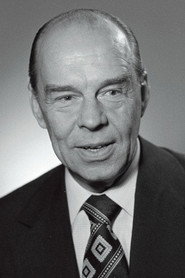
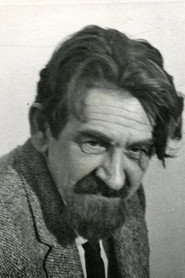
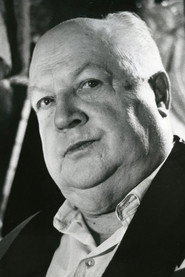
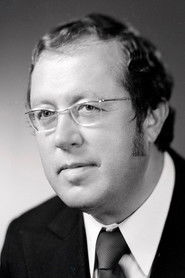
The cast includes Kaljo Kiisk, Endel Pärn, Hardi Tiidus, Ülle Koni, and Rein Aedma, with Vladimir Sapožnin rounding out the ensemble.
Is *The Old Thomas was Stolen (1970)* worth watching?
As a lighthearted Estonian comedy from 1970, it shines in its unique premise and musical charm, though its age may limit modern appeal. Fans of vintage folk films or quirky historical comedies will likely find it endearing.
How long is *The Old Thomas was Stolen*?
The film has a runtime of 67 minutes, making it a concise and breezy viewing experience.
About The Old Thomas was Stolen (1970) — Estonia's Quirky Comedy Classic with a Musical Twist
In the whimsical Estonian comedy *The Old Thomas was Stolen (1970)*, directed by Semjon Školnikov, the iconic city guardian Old Thomas abandons his centuries-old post atop Tallinn Town Hall to play Cupid's protector for a young couple in love.
What follows is a delightful chase through the cobbled streets of Tallinn's historic Old Town and its modern districts, blending vibrant folk music, spirited songs, and playful humor with the city's rich cultural backdrop. The film's lighthearted escapades and joyful atmosphere capture the essence of a bygone era, where tradition meets gentle rebellion, all set to the rhythm of song celebrations.