What About Mojca? 2015
Dive into the compelling world of Slovenian cinema with *What About Mojca?* (2015), a thought-provoking documentary directed by Urša Menart.
Director: Urša Menart
Cast



Frequently Asked Questions
What is *What About Mojca?* (2015) about?
This documentary dives into the portrayal of women in Slovenian cinema, examining how female characters have evolved over time. It highlights the struggles and triumphs of women both on and off the screen, while addressing enduring stereotypes and societal shifts reflected in classic and lesser-known films.
Who directed *What About Mojca?*(2015)?
The documentary was directed by Urša Menart, a filmmaker known for her insightful exploration of cultural and social themes in Slovenian cinema.
Who stars in *What About Mojca?* (2015)?
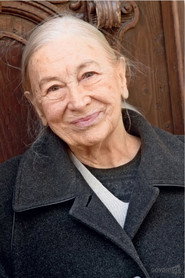
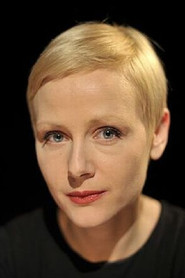
The film features interviews and contributions from key figures like Nina Cvar, Štefka Drolc, Mojca Fatur, Nina Ivanišin, and Polona Juh.
Is *What About Mojca?* (2015) worth watching?
*What About Mojca?* offers a unique and engaging perspective on the role of women in cinema, making it a compelling watch for film lovers. While it doesn't have a rated IMDb score, its depth and thematic richness provide plenty to ponder and discuss.
How long is *What About Mojca?* (2015)?
The film runs for 80 minutes, offering a concise yet impactful exploration of its themes.
🎥 Trailer
What About Mojca? (2015): The Hidden Stories of Women in Slovenian Film — Full Info
Dive into the compelling world of Slovenian cinema with *What About Mojca?* (2015), a thought-provoking documentary directed by Urša Menart. This 80-minute film explores the evolving role of women in Slovenian film, weaving together interviews with actresses, theorists, and artists to examine how female characters have been portrayed—from iconic heroines in partisan films to enduring clichés like the suffering mother or the adulteress.
Through a lens that blends history and social commentary, the documentary reflects on how these cinematic portrayals mirror the shifting status of women in society. Menart's approach is both nostalgic and critical, uncovering the layers of representation while celebrating the resilience of women behind and in front of the camera. A must-watch for film enthusiasts and anyone interested in the intersection of gender and cinema.