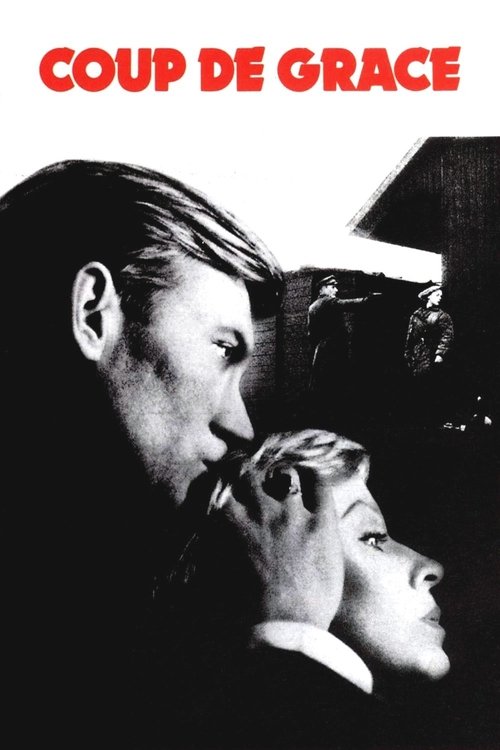
Coup de Grâce 1976
Set against the turbulent aftermath of World War I, Coup de Grâce (1976) unfolds in the war-torn Baltic region of 1919.
Director: Volker Schlöndorff
Cast






Frequently Asked Questions
What is Coup de Grâce (1976) about?
Set in 1919 Baltic territories, Coup de Grâce follows a countess who develops forbidden feelings for her brother's Prussian army officer friend, exploring themes of love, loyalty, and survival amid post-war political chaos.
Who directed Coup de Grâce?
The film was directed by acclaimed German filmmaker Volker Schlöndorff, known for his politically conscious cinema and literary adaptations.
Who stars in Coup de Grâce?
The principal cast features Margarethe von Trotta, Matthias Habich, Mathieu Carrière, Rüdiger Kirschstein, and veteran actress Valeska Gert.
Is Coup de Grâce (1976) worth watching?
Directed by Schlöndorff with strong performances from von Trotta and Habich, this 95-minute war drama delivers thoughtful historical storytelling. While not widely known, it offers compelling character work for fans of European art cinema and period pieces.
How long is Coup de Grâce?
The runtime is 95 minutes.
🎥 Trailer
About Coup de Grâce (1976) — War Romance in Post-WWI Baltic
Set against the turbulent aftermath of World War I, Coup de Grâce (1976) unfolds in the war-torn Baltic region of 1919. This haunting drama explores forbidden desire and loyalty through the story of a countess who finds herself torn between familial bonds and passionate love for her brother's Prussian officer companion. Director Volker Schlöndorff crafts an intimate character study amid the chaos of political upheaval, where personal emotions collide with historical forces.
Margarethe von Trotta leads a distinguished ensemble cast including Matthias Habich and Mathieu Carrière in this contemplative war drama. The film captures the desolate atmosphere of a region caught between collapsing empires, where love becomes both refuge and rebellion. Schlöndorff's masterful direction emphasizes the psychological complexity of his characters, creating a poignant meditation on how intimate relationships survive—or crumble—under extreme circumstances. The Baltic setting becomes a character itself, reflecting the internal turmoil of those caught in love's crossfire during one of Europe's most chaotic periods.
Coup de Grâce stands as a powerful examination of human resilience and the enduring impact of choice. With its deliberate pacing and rich period detail, the film offers viewers a window into post-war Germany through deeply personal storytelling.