Hardcore 1969
Walter De Maria's *Hardcore (1969)* is a hypnotic, avant-garde exploration of the American West's stark beauty and mythic silence.
Director: Walter De Maria
Cast
Frequently Asked Questions
What is *Hardcore* (1969) about?
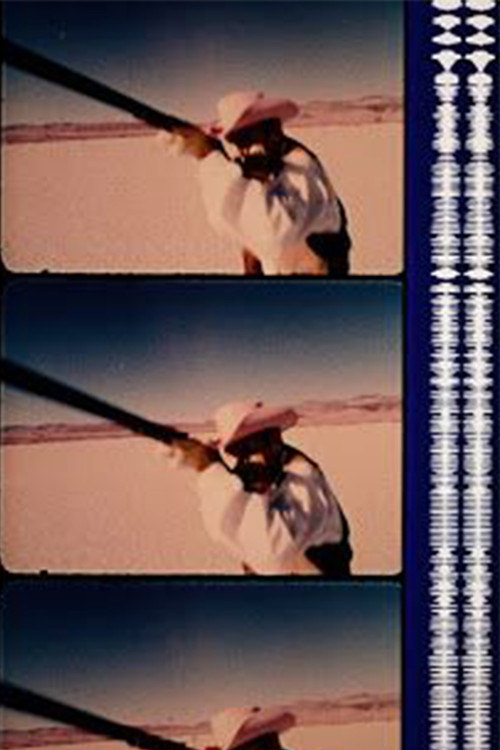
*Hardcore* is a meditative, experimental film that captures the stark, untouched landscape of Nevada's Black Rock Desert. Instead of a traditional plot, it focuses on the interplay of light, space, and silence, using wide-angle shots to evoke the isolation and grandeur of the American West.
Who directed *Hardcore*?
*Hardcore* was directed by Walter De Maria, a seminal figure in the world of avant-garde and land art.
Who stars in *Hardcore*?
The film features minimal cast involvement, with key roles attributed to Blair Stapp and Michael Heizer.
Is *Hardcore* (1969) worth watching?
As a 28-minute experimental documentary, *Hardcore* won't appeal to everyone, but it offers a unique cinematic experience for those drawn to minimalist art films. Its visual ambition and thematic depth make it a fascinating entry in the western genre's experimental fringe.
How long is *Hardcore*?
The runtime of *Hardcore* is 28 minutes.
About *Hardcore* (1969) — Walter De Maria's experimental desert masterpiece
Walter De Maria's *Hardcore (1969)* is a hypnotic, avant-garde exploration of the American West's stark beauty and mythic silence. Shot in Nevada's Black Rock Desert under a vast, cloudless sky, the 28-minute documentary merges experimental cinema with the raw aesthetic of the western genre, creating a visual meditation on isolation, space, and perspective. De Maria contrasts immersive, 360-degree panoramas with fragmented images that echo classic western iconography, stripping away narrative to let the desert's austere grandeur speak for itself. The result is a film that feels both timeless and deeply rooted in the countercultural spirit of its era.
Stripped of dialogue or traditional structure, *Hardcore (1969)* invites viewers to lose themselves in the interplay of light, shadow, and emptiness. Its minimalist approach challenges audiences to rethink what cinema can be, blending documentary realism with art-house abstraction. For fans of experimental film or those drawn to the raw, unfiltered allure of the West, this short but striking work remains a compelling study of perception and place.