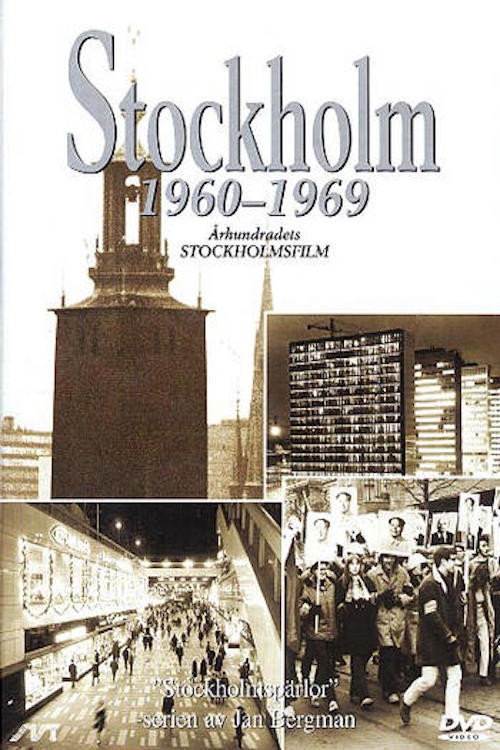
Stockholm 1960-1969 2001
Stockholm 1960-1969 (2001) offers a fascinating glimpse into a pivotal decade of Swedish history through the lens of archival filmmaking.
Director: Jan Bergman
Frequently Asked Questions
What is Stockholm 1960-1969 (2001) about?
This documentary chronicles the pivotal events and transformations that shaped Stockholm during the 1960s, combining archival footage to showcase everything from memorable crimes to major infrastructure developments like the expanding subway system.
Who directed Stockholm 1960-1969?
The documentary was directed by Jan Bergman, a filmmaker known for his Pentalogy series exploring different decades of Swedish social and urban development.
Who stars in Stockholm 1960-1969?
Cast information for this documentary is not available, as the film primarily features archival footage and historical material rather than traditional acting performances.
Is Stockholm 1960-1969 (2001) worth watching?
For viewers interested in Scandinavian history and urban development, this documentary offers valuable insights despite lacking an official rating. Its unique archival approach provides an authentic window into 1960s Stockholm's social evolution.
How long is Stockholm 1960-1969?
The film has a runtime of 140 minutes, providing extensive coverage of Stockholm's transformative decade through carefully curated historical footage.
Stockholm 1960-1969 (2001): Urban Transformation Chronicles
Stockholm 1960-1969 (2001) offers a fascinating glimpse into a pivotal decade of Swedish history through the lens of archival filmmaking. As the concluding chapter of director Jan Bergman's ambitious Pentalogy, this documentary weaves together rare footage from Swedish public television to chronicle the events that transformed the capital city. From daring cleaver heists that captured public imagination to the steady expansion of Stockholm's underground subway system, the film paints a vivid portrait of social change and urban development.
The documentary format allows viewers to experience the authentic atmosphere of 1960s Stockholm, where traditional ways of life intersected with modernization. Bergman's skillful curation of historical material creates an immersive journey through a decade marked by both crime and progress, giving audiences intimate access to the moments that shaped the city's character. At 140 minutes, Stockholm 1960-1969 (2001) provides substantial viewing time to explore these interconnected stories of transformation.
This TV movie stands as a valuable historical document, preserving memories of a Stockholm that was evolving rapidly. The film's educational approach makes it essential viewing for those interested in Scandinavian social history or the development of public service broadcasting archives. Through its compelling narrative structure, viewers gain insight into how a major European capital adapted to the changing tides of the 20th century.