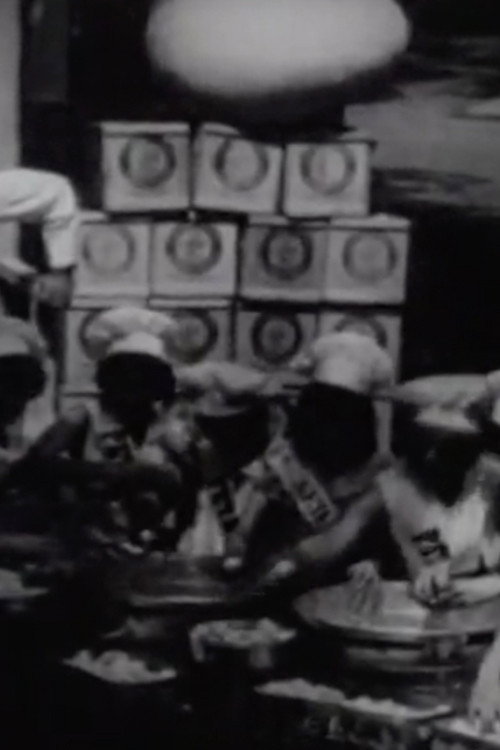
Petaluma Chicken 1930
Step back to 1930 with the charming short film Petaluma Chicken, an early promotional gem from Sonoma County's poultry industry.
Frequently Asked Questions
What is Petaluma Chicken (1930) about?
This short film is a lively early promotional piece celebrating Sonoma County's poultry industry. It features a group of enthusiastic young women preparing a giant omelet, blending humor and local pride in a nostalgic four-minute reel.
Who directed Petaluma Chicken?
Director information is not available.
Who stars in Petaluma Chicken?
The main cast includes local young women showcasing their culinary skills, though their names are not listed in historical records.
Is Petaluma Chicken (1930) worth watching?
For fans of early cinema or agricultural history, Petaluma Chicken (1930) offers a charming glimpse into mid-century marketing creativity. Its short runtime and lighthearted tone make it an easy, enjoyable watch for niche audiences interested in quirky historical shorts.
How long is Petaluma Chicken?
Petaluma Chicken (1930) runs approximately 4 minutes in length.
About Petaluma Chicken (1930) — Discover the Whimsical Short Film That Put Sonoma County on the Culinary Map
Step back to 1930 with the charming short film Petaluma Chicken, an early promotional gem from Sonoma County's poultry industry. This four-minute curiosity captures a bygone era's enthusiasm as a group of energetic young women whip up an enormous omelet, showcasing the region's celebrated poultry in a playful cinematic snapshot. More than a quirky historical artifact, the film radiates a nostalgic glow—part kitchen comedy, part industrial jingle, and entirely full of the kind of spirited ingenuity that fueled agricultural marketing in the early 20th century.
While modest in length, Petaluma Chicken offers a window into the creative ways local industries once captured public imagination, blending lighthearted entertainment with subtle promotion. The breezy atmosphere and simple premise make it a delightful curiosity for film buffs, agricultural history enthusiasts, and anyone fascinated by the evolution of food culture on screen.