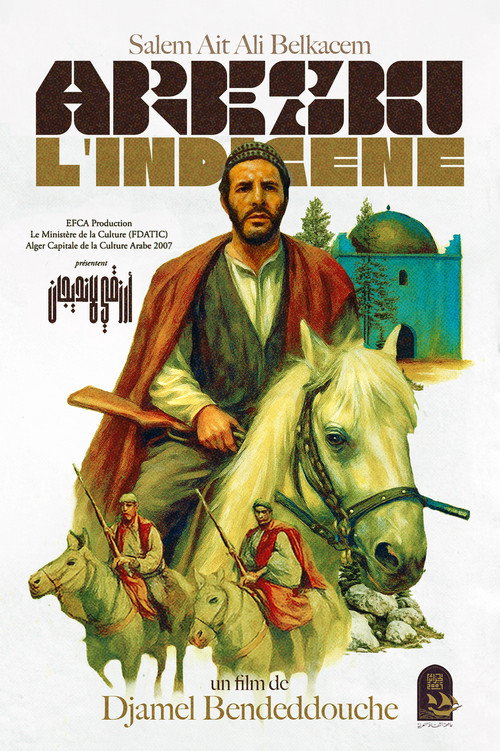
Arezki, L'Indigène 2008
Set against the rugged beauty of 1895 Kabylie, *Arezki, L'Indigène* (2008) follows Albertine Auclair, a young journalist whose journey uncovers the harsh realities of colonial Algeria.
Director: Djamel Bendeddouche
Cast






Frequently Asked Questions
What is Arezki, L'Indigène (2008) about?
The film follows a young journalist in 1895 Kabylie who uncovers the story of Arezki El Bachir, an Algerian sentenced to death by colonial authorities. Her investigation becomes a personal journey into the struggles of native Algerians under French rule.
Who directed Arezki, L'Indigène?
The film was directed by Djamel Bendeddouche, a filmmaker known for his work in historical and political dramas.
Who stars in Arezki, L'Indigène?
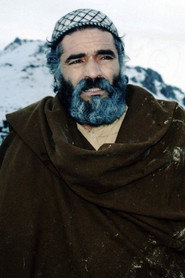
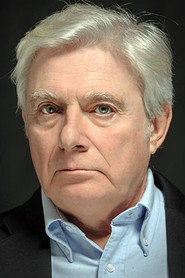
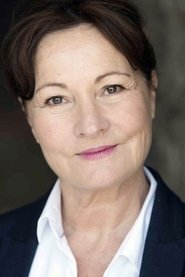
The film stars Salem Ait Ali Belkacem, Dahmane Aidrous, Céline Mauge, Michel Pilorgé, and Jean-François Kopf in key roles.
Is Arezki, L'Indigène (2008) worth watching?
For fans of historical dramas with political depth, *Arezki, L'Indigène* offers a compelling narrative and strong performances. While not widely rated on IMDb, its themes of resistance and colonial injustice make it a thought-provoking watch for those interested in 19th-century Algeria.
How long is Arezki, L'Indigène?
The runtime of *Arezki, L'Indigène* is 91 minutes.
Arezki, L'Indigène (2008) — Drama of Resistance in Colonial Algeria
Set against the rugged beauty of 1895 Kabylie, *Arezki, L'Indigène* (2008) follows Albertine Auclair, a young journalist whose journey uncovers the harsh realities of colonial Algeria. Directed by Djamel Bendeddouche, this period drama weaves together war, history, and personal awakening as Albertine investigates the story of Arezki El Bachir, a native Algerian sentenced to death by colonial authorities. The film immerses viewers in a world of political tension and human resilience, blending political intrigue with the stark contrasts of a landscape both breathtaking and oppressive. Salem Ait Ali Belkacem and Céline Mauge lead a compelling cast, anchoring a narrative that's as much about colonial brutality as it is about the search for truth.
Bendeddouche crafts a visually evocative tale that challenges colonial narratives, blending historical drama with a personal quest for justice. The film's atmosphere is one of quiet urgency, where the beauty of Kabylie's mountains clashes with the injustices of empire. As Albertine delves deeper, she confronts not only the fate of Arezki but also the moral weight of her own presence in a land divided by power and oppression.