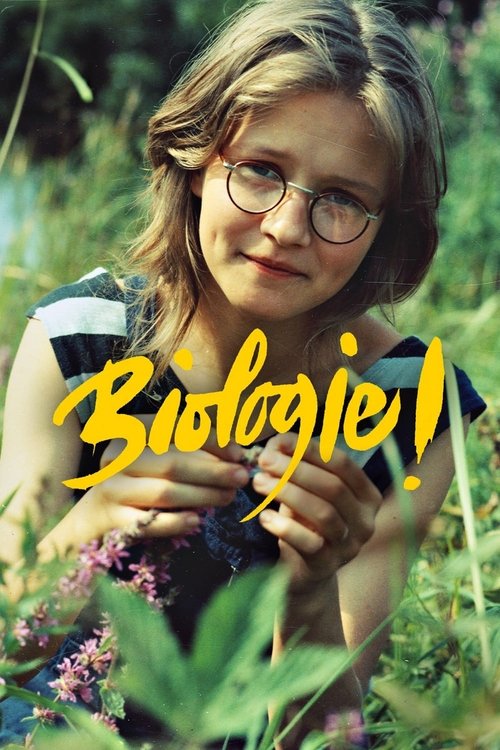
Biology! 1990
Set in the twilight years of East Germany, *Biology! (1990)* paints a vivid portrait of teenage longing against the backdrop of economic collapse.
Director: Jörg Foth
Cast



Frequently Asked Questions
What is Biology! (1990) about?
The film follows Ulla, a 15-year-old girl living in poverty-stricken East Germany, who finds herself drawn to Winfried, the privileged son of a powerful director. Their unexpected romance unfolds against the backdrop of a nation on the verge of collapse, where scarcity and ideology shape every decision.
Who directed Biology!?
Jörg Foth directed *Biology!*, crafting a drama that blends personal longing with the stark realities of life in the GDR.
Who stars in Biology!?
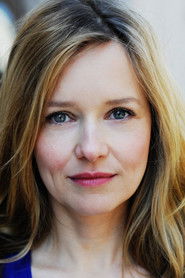
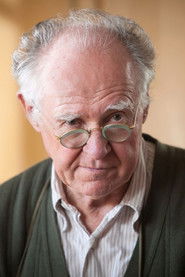
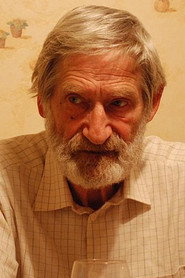
The film features Stefanie Stappenbeck as Ulla, Cornelius Schulz as Winfried, and Uta Reckzeh as Ulla's mother, among others in a cast that brings the era to life.
Is Biology! (1990) worth watching?
*Biology! (1990)* is a poignant time capsule of late-era East Germany, offering a rare glimpse into the lives of ordinary people before the Wall fell. Its themes of love and resilience make it a compelling watch for fans of historical dramas, even if it's not widely known today.
How long is Biology!?
The film runs for 89 minutes, a tight runtime that keeps the story focused and immersive.
About Biology! (1990) — A Forbidden Romance in the Final Days of East Germany
Set in the twilight years of East Germany, *Biology! (1990)* paints a vivid portrait of teenage longing against the backdrop of economic collapse. Directed by Jörg Foth, this overlooked drama follows Ulla, a 15-year-old navigating a crumbling apartment building with no electricity, where every light flickers like a metaphor for the nation's fading future. Her ordinary world is upended when she meets Winfried, the polished son of a high-ranking director, whose Western luxuries—like a computer and imported games—feel like forbidden magic in their rationed reality. Their blossoming romance becomes a tender rebellion, a fleeting escape from the suffocating constraints of GDR life. With its raw atmosphere and quiet intensity, the film captures the peculiar tension between youthful hope and systemic decay.
Foth's direction leans into the stark contrasts of the era, balancing Ulla's raw emotions with the cold precision of a society on the brink of change. As their connection deepens, the film questions whether love can transcend the barriers of class and ideology, or if even the most personal joys are hostage to history's tide.