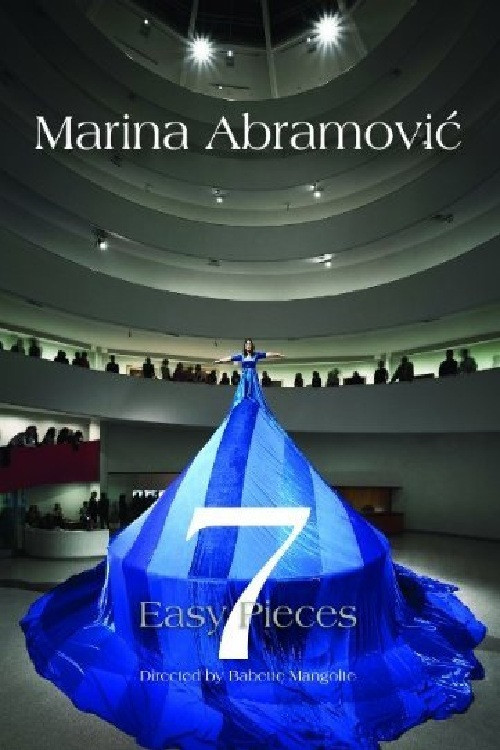
Seven Easy Pieces 2007
Babette Mangolte's *Seven Easy Pieces* (2007) captures Marina Abramović's daring reimagining of seven iconic performance art pieces, blending homage with personal interpretation.
Director: Babette Mangolte
Cast


Frequently Asked Questions
What is Seven Easy Pieces (2007) about?
This 2007 documentary follows Marina Abramović as she restages seven legendary performance art pieces from the 1960s and 70s, each performed for seven hours over seven days. The project explores the challenges of preserving ephemeral art forms in an era with limited documentation.
Who directed Seven Easy Pieces?
The film was directed by Babette Mangolte, a filmmaker known for her work in experimental and documentary cinema.
Who stars in Seven Easy Pieces?
The documentary features Marina Abramović and Olivera Katarina as the central figures, with appearances by the original performers' works.
Is Seven Easy Pieces (2007) worth watching?
While it's a niche documentary, *Seven Easy Pieces* offers a rare glimpse into the evolution of performance art and Abramović's transformative approach. Its depth and dedication make it compelling for fans of avant-garde cinema, even without a commercial rating.
How long is Seven Easy Pieces?
The runtime of *Seven Easy Pieces* is 93 minutes.
About Seven Easy Pieces (2007) — Marina Abramović Restages Lost Performance Art Classics
Babette Mangolte's *Seven Easy Pieces* (2007) captures Marina Abramović's daring reimagining of seven iconic performance art pieces, blending homage with personal interpretation. Over seven days, each work was restaged for seven hours, echoing the intensity of live art's fleeting nature. Abramović's project isn't just a revival—it's a meditation on legacy, memory, and the fragility of documentation from the 1960s and 70s. With minimal archival material available, these performances rely on witness accounts and fragmented photographs, making Abramović's efforts a vital bridge between past and present. The film immerses viewers in a world where art is both ephemeral and eternal, challenging audiences to confront what's lost—and what's preserved—when time erases the original experience.
Directed with precision by Mangolte, the documentary frames Abramović's work as a dialogue with the pioneers who shaped performance art. Starring Abramović alongside Olivera Katarina, the project unfolds like a visual symphony, where each piece reveals layers of endurance, vulnerability, and raw creativity. The atmosphere is electric, balancing reverence for the originals with Abramović's bold reinvention. It's a must-see for anyone fascinated by the intersection of art, history, and the human body.