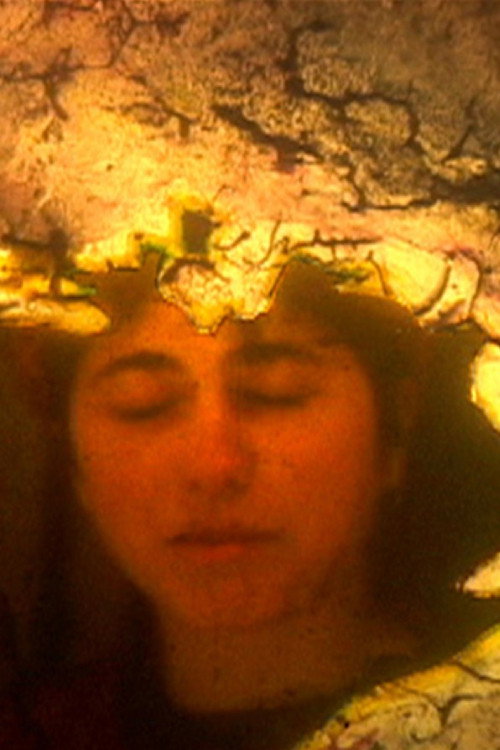
Self Portrait Post Mortem 2002
In *Self Portrait Post Mortem* (2002), filmmaker Louise Bourque unearths a hidden time capsule from her past, a poetic gesture that bridges life and memory.
Director: Louise Bourque
Frequently Asked Questions
What is Self Portrait Post Mortem (2002) about?
This 3-minute documentary by Louise Bourque uncovers archival footage from her early films, intentionally buried in her family's backyard. Five years later, she revisits the time capsule, revealing a raw and poetic exploration of youth, family, and the quiet erosion of time.
Who directed Self Portrait Post Mortem?
The film was directed by Louise Bourque, a Canadian artist known for her experimental documentaries that explore personal and familial themes.
Who stars in Self Portrait Post Mortem?
Director Louise Bourque appears in the footage, as the film is a deeply personal reflection using archival material from her own productions.
Is Self Portrait Post Mortem (2002) worth watching?
As a 3-minute avant-garde documentary, it's a niche but evocative watch for fans of experimental cinema. While it won't appeal to everyone, its poetic treatment of memory and decay gives it artistic weight. The lack of IMDb rating leaves its reception open to interpretation, but its thematic depth makes it memorable.
How long is Self Portrait Post Mortem?
The runtime of *Self Portrait Post Mortem* is 3 minutes.
About Self Portrait Post Mortem (2002) — A haunting short film on memory and decay
In *Self Portrait Post Mortem* (2002), filmmaker Louise Bourque unearths a hidden time capsule from her past, a poetic gesture that bridges life and memory. The short documentary reveals out-takes from her first three films, buried with equal parts nostalgia and abandonment in the backyard of her ancestral home. Nature, time, and decay collaboratively transform these fragments into an 'exquisite corpse'—a haunting meditation on family, loss, and the fragile boundary between preservation and letting go. Shot amid the quiet grandeur of her family's former estate (adjacent to a cemetery), the footage captures youthful innocence intertwined with the inevitable passage of years.
Bourque's experimental approach turns the personal into the universal, framing melancholy as both subject and collaborator. The grainy, intimate images blur the line between documentary and dream, evoking a sense of fleeting permanence. With a runtime of just three minutes, this avant-garde short film lingers like a half-remembered dream, challenging viewers to reflect on their own relationships with time and legacy.