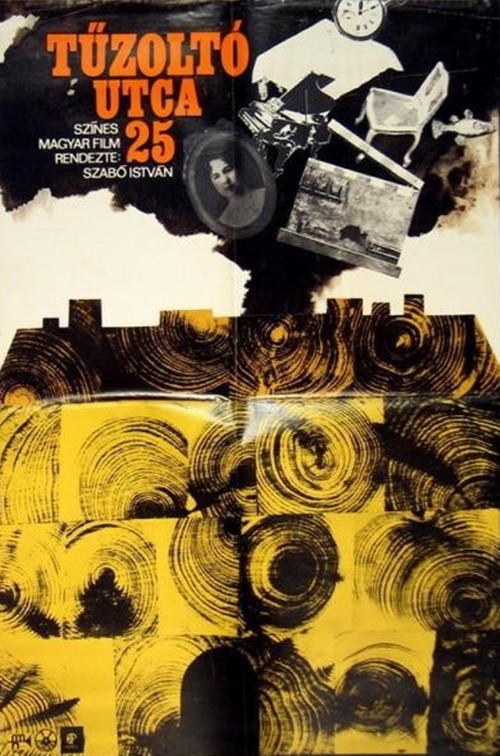
25 Fireman's Street 1973
István Szabó's *25 Fireman's Street (1973)* is a poignant Hungarian drama that unfolds on a single sweltering summer night in an apartment building condemned to demolition.
Director: István Szabó
Cast





Frequently Asked Questions
What is 25 Fireman's Street (1973) about?
The film follows the residents of a condemned Budapest apartment on a single restless night, where dreams and memories blur as they confront their pasts amid the looming threat of demolition. It's a meditation on nostalgia, regret, and the way history shapes individual lives.
Who directed 25 Fireman's Street?
István Szabó directs this evocative drama, known for his deeply personal films that explore the intersection of history and human experience.
Who stars in 25 Fireman's Street?
The film features Lucyna Winnicka, Margit Makay, Károly Kovács, András Bálint, and Erzsi Pásztor in lead roles.
Is 25 Fireman's Street (1973) worth watching?
With its rich thematic depth and atmospheric storytelling, *25 Fireman's Street* is a compelling choice for fans of historical dramas and character-driven cinema. While it may not be a mainstream hit, its emotional resonance and Szabó's direction make it a rewarding watch for those seeking substance over spectacle.
How long is 25 Fireman's Street?
The film runs for 97 minutes.
About 25 Fireman's Street (1973) — A Haunting Drama of Memory and Loss
István Szabó's *25 Fireman's Street (1973)* is a poignant Hungarian drama that unfolds on a single sweltering summer night in an apartment building condemned to demolition. As the specter of urban renewal looms, the building's residents—each haunted by the ghosts of their past—drift into dreamlike reveries that stitch together fragments of memory.
Through the lens of nostalgia, Szabó weaves a tapestry of personal and collective history, exploring the lingering scars of pre-war prejudices, wartime occupation, and Stalinist oppression. The film's intimate, almost claustrophobic atmosphere magnifies the emotional weight of each tenant's reflections, making the impending destruction of their home feel secondary to the lives they've lived within its walls.