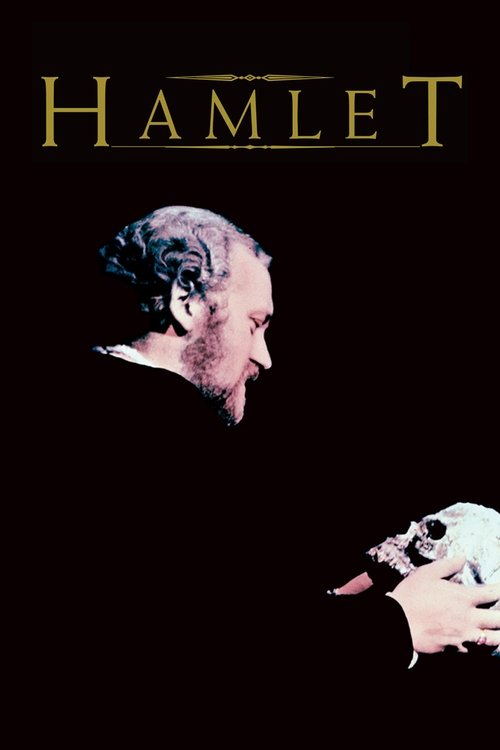
Hamlet 1969
Tony Richardson's 1969 adaptation of *Hamlet* strips Shakespeare's tragedy down to its raw emotional core, capturing the claustrophobic intensity of the Roundhouse's converted train shed.
Director: Tony Richardson
Cast
Frequently Asked Questions
What is Hamlet (1969) about?
This adaptation of Shakespeare's *Hamlet* follows the troubled Danish prince as he uncovers his uncle's treachery, plotting revenge for his father's murder while wrestling with doubt and despair. The film dives deep into themes of betrayal, guilt, and the cost of vengeance, all framed through the prince's fractured psyche.
Who directed Hamlet?
Tony Richardson, known for his innovative and socially conscious work, directed this 1969 adaptation of *Hamlet*.
Who stars in Hamlet?
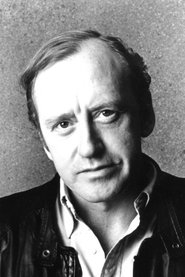
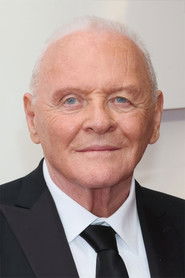
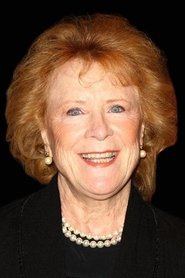
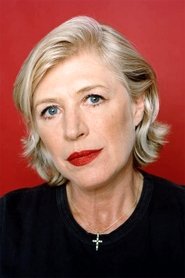
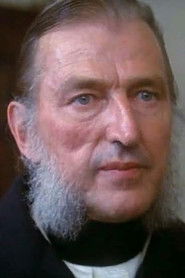
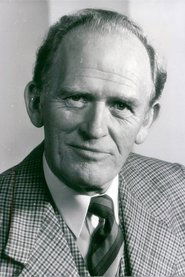
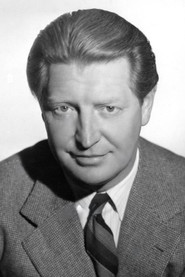
The film features standout performances from Nicol Williamson as Hamlet, Anthony Hopkins as Claudius, Judy Parfitt as Gertrude, Marianne Faithfull as Ophelia, and Mark Dignam as Polonius.
Is Hamlet (1969) worth watching?
With its intense close-ups and Richardson's bold staging, this *Hamlet* offers a unique take on Shakespeare's tragedy. While it lacks broad cinematic spectacle, its psychological depth and stellar cast make it a rewarding watch for fans of the play and character-driven dramas.
How long is Hamlet?
Hamlet (1969) runs for 117 minutes, or just under two hours.
About Hamlet (1969) — A claustrophobic Shakespearean masterpiece in close-ups
Tony Richardson's 1969 adaptation of *Hamlet* strips Shakespeare's tragedy down to its raw emotional core, capturing the claustrophobic intensity of the Roundhouse's converted train shed. Shot almost entirely in haunting close-ups, the film immerses viewers in the tormented psyche of Prince Hamlet as he grapples with betrayal, grief, and existential doubt. Richardson's bold cinematic choices—filming in a repurposed industrial space with minimal sets—transform the stage into a visceral experience, where every whispered soliloquy and fleeting glance amplifies the weight of the drama. Nicol Williamson delivers a gripping performance as the melancholic prince, while Anthony Hopkins lends gravitas to Claudius, creating a tense dynamic that lingers long after the final frame. This isn't just a play on screen; it's a psychological deep dive into one of literature's most enduring questions about power, vengeance, and the human condition.
Grounded in Richardson's stage roots, the film's stark visuals and unrelenting focus on dialogue make it a unique cinematic experiment. The absence of sweeping landscapes or elaborate costumes sharpens the focus on the characters' inner turmoil, turning Shakespeare's words into a hypnotic, almost cinematic monologue. The result is a *Hamlet* that feels both timeless and urgently modern—a masterclass in how adaptation can reinvent a classic without losing its soul.
Perfect for fans of character-driven dramas and unconventional storytelling, this 1969 version is a must-watch for anyone seeking a fresh perspective on Shakespeare's most complex tragedy.