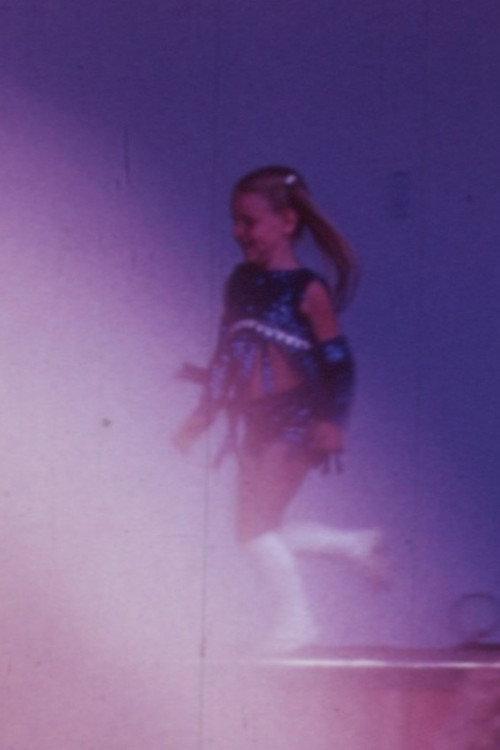
Pas de Trois 1975
Dive into *Pas de Trois* (1975), Hollis Frampton's experimental short film that dissects cinema's enduring ties to sexuality through a lens steeped in early film techniques.
Director: Hollis Frampton
Frequently Asked Questions
What is *Pas de Trois* (1975) about?
*Pas de Trois* peels back the layers of cinema's relationship with sexuality, using early film techniques like flicker and abrupt cuts to expose the medium's raw, almost subliminal power. Frampton's work dissects how film manipulates perception, blending historical nods with a modernist edge to create a hypnotic, thought-provoking experience.
Who directed *Pas de Trois*?
*Pas de Trois* was directed by Hollis Frampton, a visionary filmmaker known for pushing the boundaries of experimental cinema.
Who stars in *Pas de Trois*?
Cast details for *Pas de Trois* are not publicly listed.
Is *Pas de Trois* (1975) worth watching?
As an unrated experimental short, *Pas de Trois* (1975) isn't for everyone, but it's a fascinating dive into avant-garde filmmaking and Frampton's unique vision. Fans of dense, thematic cinema will appreciate its bold ideas, even if its runtime is brief.
How long is *Pas de Trois*?
*Pas de Trois* runs for 4 minutes.
About Pas de Trois (1975) — Hollis Frampton's Experimental Short Film on Cinema's Hidden Desires
Dive into *Pas de Trois* (1975), Hollis Frampton's experimental short film that dissects cinema's enduring ties to sexuality through a lens steeped in early film techniques. Frampton, a pioneer of avant-garde cinema, crafts a visually arresting exploration of flicker, rhythm, and the raw mechanics of filmmaking, turning the screen itself into a provocative space of tension and revelation. The 4-minute runtime belies its dense intellectual engagement, blending historical allusions with the aggressive, almost hypnotic qualities of the cinematic apparatus.
In this documentary gem, Frampton challenges viewers to reconsider how film manipulates perception, desire, and time, all while maintaining a stark, almost clinical detachment. The result is a work that feels both timeless and urgently modern, a fleeting yet potent meditation on the medium's most primal connections.