Betrayal 1932
Dive into the gritty world of early British cinema with *Betrayal (1932)*, a crime thriller helmed by director Reginald Fogwell. This tense 65-minute film follows a web of deceit and criminal intrigue, where loyalty is a rare commodity and every shadow hides a secret.
Director: Reginald Fogwell
Cast

Frequently Asked Questions
What is *Betrayal (1932)* about?
*Betrayal (1932)* is a crime thriller that follows a meticulously planned betrayal spiraling into chaos, as loyalties are tested and secrets unravel in a high-stakes world of deception. The film's compact runtime keeps the tension relentless, with every scene pushing the plot forward.
Who directed *Betrayal*?
*Betrayal* was directed by Reginald Fogwell, a filmmaker known for his work in early British cinema.
Who stars in *Betrayal*?
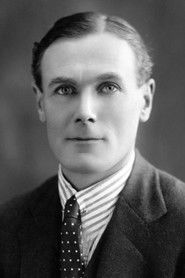
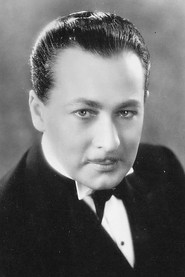
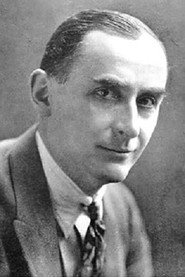
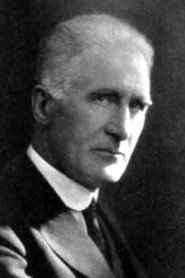
The film features Stewart Rome, Marjorie Hume, Leslie Perrins, Henry Hewitt, and J. Fisher White in key roles.
Is *Betrayal (1932)* worth watching?
As a 65-minute British crime thriller, *Betrayal (1932)* offers a tight, suspenseful story with strong performances that hold up surprisingly well. While it's a product of its time, its themes of betrayal and intrigue make it a compelling watch for fans of classic crime films.
How long is *Betrayal*?
*Betrayal* runs for approximately 65 minutes.
About Betrayal (1932) — A British Crime Thriller with Twists and Shadows
Dive into the gritty world of early British cinema with *Betrayal (1932)*, a crime thriller helmed by director Reginald Fogwell. This tense 65-minute film follows a web of deceit and criminal intrigue, where loyalty is a rare commodity and every shadow hides a secret. Stewart Rome takes the lead as a morally conflicted figure ensnared in a dangerous plot, with Marjorie Hume and Leslie Perrins delivering standout performances that amplify the film's suspenseful atmosphere. The story unfolds with the precision of a well-crafted heist gone wrong, exploring themes of trust and betrayal that feel as relevant today as they did in the 1930s.
Set against the dimly lit streets of a bygone era, *Betrayal (1932)* blends sharp dialogue with atmospheric tension, making it a standout entry in the crime genre. While the film's runtime is brief, its pacing never wavers, keeping viewers on the edge of their seats. Fogwell's direction ensures that every twist and turn feels earned, while the cast's nuanced performances breathe life into a story where the line between hero and villain is deliciously blurred.