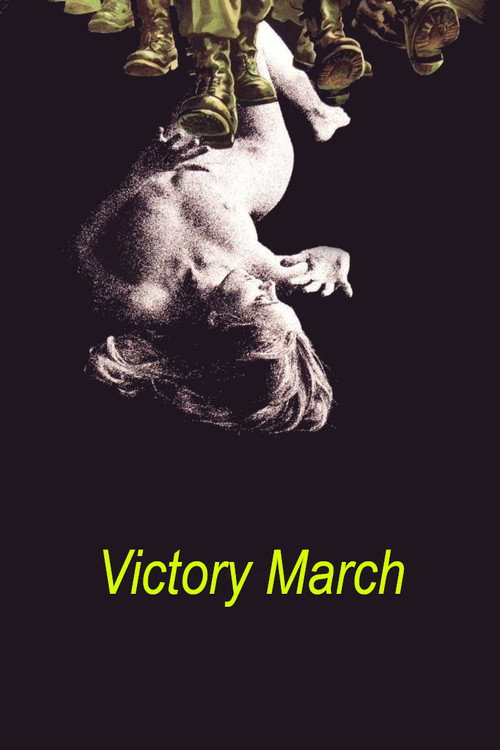
Victory March 1976
Marco Bellocchio's *Victory March (1976)* dives into the rigid, unforgiving world of military life through the eyes of Paolo Passeri, a sheltered college graduate thrust into an officer training program.
Director: Marco Bellocchio
Cast





Frequently Asked Questions
What is Victory March (1976) about?
*Victory March* follows Paolo Passeri, a privileged young man who joins an officer training program and must navigate the brutal hierarchy under Captain Asciutto. When the Captain's wife takes a troubling interest in him, Paolo's inaction sets off a chain of consequences that challenge his morals and safety.
Who directed Victory March?
Marco Bellocchio, the acclaimed Italian filmmaker known for his sharp social critiques and psychological dramas.
Who stars in Victory March?
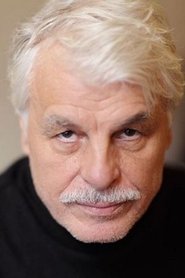
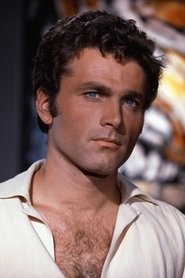
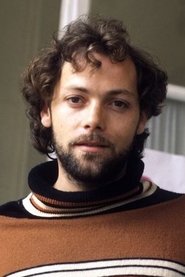
The film features standout performances from Michele Placido, Franco Nero, Miou-Miou, and Patrick Dewaere in pivotal roles.
Is Victory March (1976) worth watching?
Though underrated, *Victory March* offers a gripping exploration of military life that feels both timeless and fiercely relevant. Its themes of authority and moral compromise make it a compelling watch for fans of intense, character-driven dramas.
How long is Victory March?
The runtime of *Victory March* is 118 minutes.
About Victory March (1976) — A Gritty Military Drama of Power and Silence
Marco Bellocchio's *Victory March (1976)* dives into the rigid, unforgiving world of military life through the eyes of Paolo Passeri, a sheltered college graduate thrust into an officer training program. Under the iron-fisted rule of the stern Captain Asciutto, Paolo begins to conform to the harsh discipline, but when the Captain's wife takes a dangerous interest in him, his silence unwittingly puts everyone in peril. Set against the backdrop of post-war Italy, the film blends psychological tension with biting social commentary, exploring themes of power, obedience, and the cost of conformity.
With a meticulous performance by Michele Placido as Paolo and a standout Franco Nero as the formidable Captain, *Victory March* crafts a claustrophobic atmosphere where personal ethics clash with institutional demands. Bellocchio's direction sharpens the drama into a sharp, unsettling critique of authority—one that lingers long after the final salute.