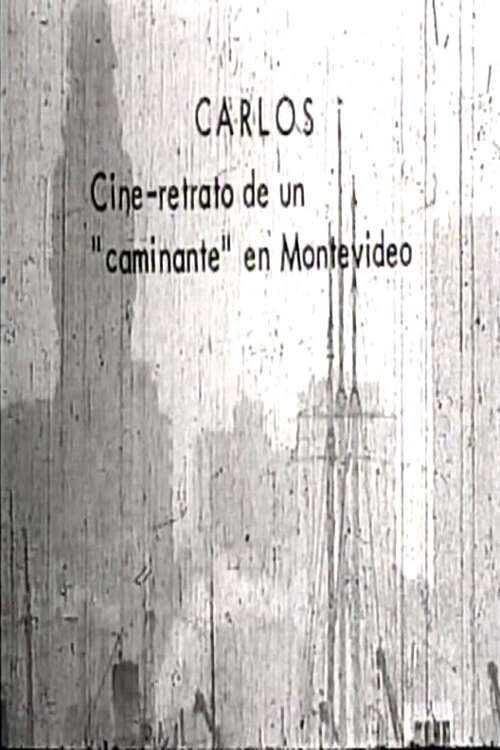
Carlos: Film Portrait of a Montevideo Panhandler 1965
Dive into the raw, unfiltered world of 1965's *Carlos: Film Portrait of a Montevideo Panhandler*, a compelling documentary by director Mario Handler that captures the overlooked life of a marginalized street dweller in Montevideo.
Director: Mario Handler
Frequently Asked Questions
What is *Carlos: Film Portrait of a Montevideo Panhandler* (1965) about?
This 1965 documentary follows Carlos, a man who once roamed Uruguay's countryside but became a homeless wanderer in Montevideo. Through his eyes, the film explores themes of isolation, societal neglect, and the quiet strength of those living on society's margins.
Who directed *Carlos: Film Portrait of a Montevideo Panhandler*?
Director Mario Handler crafted this intimate portrait, using his lens to capture the raw reality of urban displacement.
Who stars in *Carlos: Film Portrait of a Montevideo Panhandler*?
Carlos, the film's central figure, is the sole focus of this documentary.
Is *Carlos: Film Portrait of a Montevideo Panhandler* (1965) worth watching?
While it's a lesser-known gem, this 31-minute documentary offers a powerful social commentary on urban life in 1960s Uruguay. Its brevity doesn't diminish its impact, making it a compelling watch for fans of documentary films.
How long is *Carlos: Film Portrait of a Montevideo Panhandler*?
The film runs for 31 minutes.
About Carlos: Film Portrait of a Montevideo Panhandler (1965) — A 1965 Uruguayan documentary revealing urban solitude
Dive into the raw, unfiltered world of 1965's *Carlos: Film Portrait of a Montevideo Panhandler*, a compelling documentary by director Mario Handler that captures the overlooked life of a marginalized street dweller in Montevideo. This short but potent film paints a vivid picture of urban solitude, tracing Carlos's journey from a wandering countryside traveler to a city-bound vagabond he jokingly calls a "bichiome." Through his eyes, the documentary weaves a poignant reflection on societal neglect, resilience, and the quiet dignity of those living on the fringes. Shot in stark black-and-white, the film immerses viewers in the gritty atmosphere of mid-century Montevideo, where every alley and market becomes a stage for Carlos's daily struggle.
Handler's lens doesn't just observe—it humanizes, turning a fleeting encounter into a timeless meditation on freedom and displacement. The 31-minute runtime belies its emotional weight, making it a brief yet unforgettable experience for fans of socially conscious cinema. Whether you're drawn to its historical snapshot of Uruguay or its universal themes of displacement, *Carlos: Film Portrait of a Montevideo Panhandler (1965)* offers a glimpse into a life rarely seen on screen.