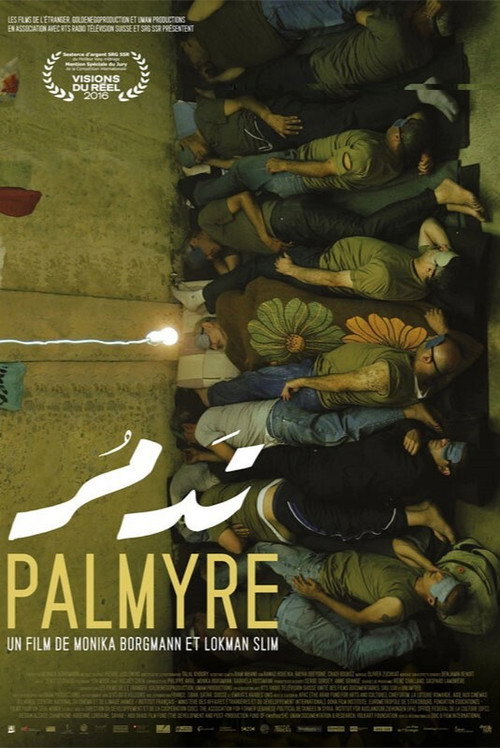
Tadmor 2017
In the heat of the 2011 Syrian uprising, survivors of Syria's most infamous prison— Tadmor—break decades of silence to expose the unspeakable horrors they endured under the Assad regime.
Director: Monika Borgmann
Frequently Asked Questions
What is Tadmor (2017) about?
A powerful documentary following former Lebanese detainees who endured torture in Syria's Tadmor Prison. They reconstruct the prison to publicly testify about their experiences, turning pain into a defiant act of remembrance amid the 2011 Syrian uprising.
Who directed Tadmor?
The film was directed by Monika Borgmann, a filmmaker known for her work on trauma and memory, particularly in conflict zones.
Who stars in Tadmor?
While specific cast names aren't listed, the documentary centers on a group of former detainees whose personal testimonies drive the narrative.
Is Tadmor (2017) worth watching?
As a gripping documentary that blends raw survivor testimonies with striking visual storytelling, *Tadmor* is a compelling watch for those interested in human rights, resilience, or Middle Eastern history. Its unflinching approach makes it powerful though emotionally intense.
How long is Tadmor?
The film runs for 103 minutes.
🎥 Trailer
Tadmor (2017): Survivors Rebuild a Prison to Break Their Silence — Full Info
In the heat of the 2011 Syrian uprising, survivors of Syria's most infamous prison— Tadmor—break decades of silence to expose the unspeakable horrors they endured under the Assad regime. Monika Borgmann's powerful documentary *Tadmor (2017)* follows a group of former Lebanese detainees who confront their traumatic past by reconstructing the prison itself in an abandoned Beirut school. Through raw testimony and symbolic reenactment, they reclaim agency over their stories, transforming collective pain into a defiant act of remembrance.
Against a backdrop of political unrest, *Tadmor* captures a raw, emotionally charged journey from silence to testimony. Borgmann crafts an unflinching portrait of resilience, using stark visuals and firsthand accounts to illuminate the scars of oppression. The film doesn't just document history—it becomes a living memorial to those who refused to be forgotten.