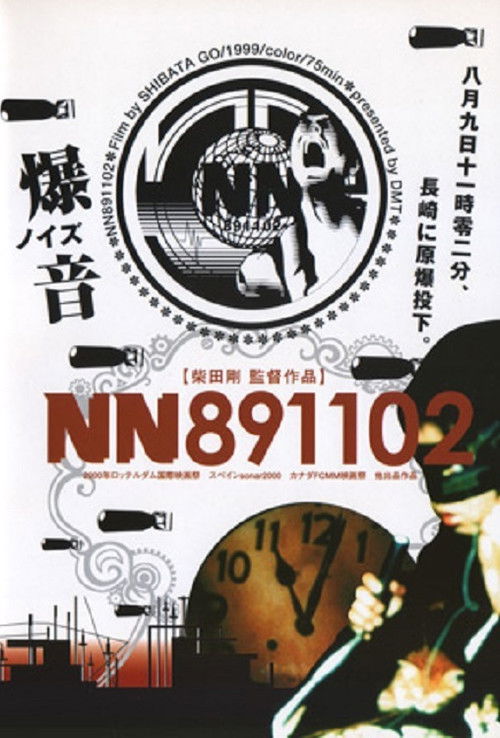
NN891102 1999
In the haunting landscape of post-nuclear Nagasaki, 1999's NN891102 unravels a chilling tale of trauma and obsession.
Director: Gô Shibata
Cast
Frequently Asked Questions
What is NN891102 (1999) about?
Set in the shadow of Nagasaki's nuclear devastation, the film centers on Reiichi, who becomes fixated on a sound he believes his father recorded during the disaster. When the tape reveals nothing, his trauma drives him to recreate the moment at any cost, diving into a spiral of obsession and dread.
Who directed NN891102?
NN891102 was directed by Gô Shibata, a filmmaker known for blending psychological drama with horror elements in his works.
Who stars in NN891102?
The film features Takaya Hasegawa, Yu Kakuta, Kenji Mori, Yusuke Nishida, and Mitsuru Oki in pivotal roles.
Is NN891102 (1999) worth watching?
While NN891102 is a niche, atmospheric film, its intense focus on psychological horror and historical weight makes it a compelling watch for fans of slow-burn, thematically rich cinema. The 75-minute runtime keeps the tension tight, though it may feel too subdued for mainstream audiences.
How long is NN891102?
NN891102 has a runtime of 75 minutes.
NN891102 (1999): The Haunting Silence After Nagasaki — Full Movie Info
In the haunting landscape of post-nuclear Nagasaki, 1999's NN891102 unravels a chilling tale of trauma and obsession. Directed by Gô Shibata, this Japanese drama-horror hybrid follows Reiichi, a young man haunted by the memory of a cataclysmic sound he believes was recorded by his late father's tape recorder—only to find the tape eerily blank. As his grief twists into a desperate quest for answers, Reiichi's fixation escalates into a disturbing pursuit of recreating the moment, blurring the line between memory and madness. The film's oppressive atmosphere, steeped in the weight of historical tragedy, lingers long after the credits roll, making it a potent exploration of survival and the fragility of human perception.
Crafted with a raw, unsettling tone, NN891102 (1999) challenges viewers to confront the unseen scars left by disaster. With a tight 75-minute runtime, Shibata's direction amplifies the film's psychological tension, while the understated performances of Takaya Hasegawa, Yu Kakuta, and the supporting cast anchor the narrative in emotional rawness. Themes of loss and the unreliability of memory intertwine with Japan's post-war anxieties, creating a uniquely atmospheric experience.