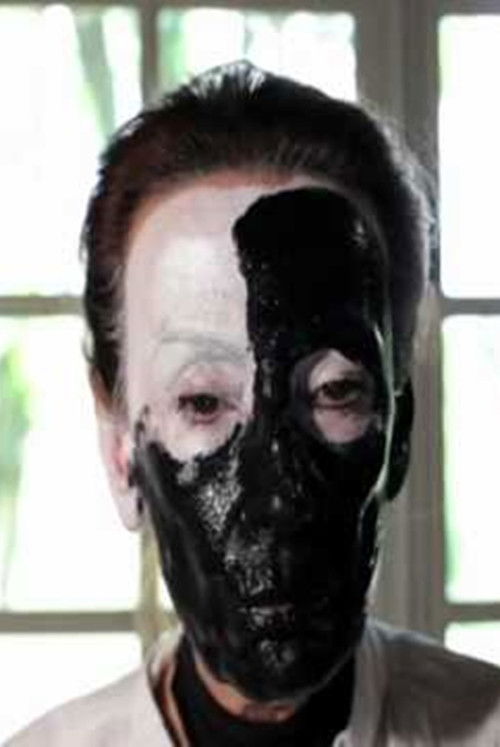
La Femme de Chambre, Un Corps sans Visage 2011
Marcel Hanoun's provocative short drama *La Femme de Chambre, Un Corps sans Visage* (2011) is a haunting meditation on isolation, identity, and the weight of silence.
Director: Marcel Hanoun
Cast

Frequently Asked Questions
What is *La Femme de Chambre, Un Corps sans Visage* (2011) about?
This short film delves into the psychological unraveling of a maid whose physical and emotional suffering has rendered her invisible. Through fragmented monologue and stark visuals, it explores loneliness, confinement, and the disintegration of selfhood in a world that fails to see her.
Who directed *La Femme de Chambre, Un Corps sans Visage*?
The film was directed by Marcel Hanoun, a filmmaker known for his experimental and introspective approach to storytelling.
Who stars in *La Femme de Chambre, Un Corps sans Visage*?
The film features Lucienne Deschamps in the lead role, delivering a powerful performance that anchors its abstract narrative.
Is *La Femme de Chambre, Un Corps sans Visage* (2011) worth watching?
As a tightly crafted 8-minute drama, its power lies in its ability to evoke deep emotion and provoke thought despite its brevity. While unrated and niche, its thematic depth and artistic ambition make it a compelling watch for fans of experimental cinema and psychological storytelling.
How long is *La Femme de Chambre, Un Corps sans Visage*?
The film runs for 8 minutes.
La Femme de Chambre, Un Corps sans Visage (2011): A Haunting Short Film on Identity and Isolation — Full Movie Info
Marcel Hanoun's provocative short drama *La Femme de Chambre, Un Corps sans Visage* (2011) is a haunting meditation on isolation, identity, and the weight of silence. Shot in a single, unsettling session on July 2, 2011, the film immerses viewers in the fragmented psyche of a maid whose physical form has dissolved into suffering, leaving only layers of makeup, bound hair, and invisible wounds. Through an echo-laden inner monologue delivered in English, the protagonist confronts the suffocating solitude of her confined existence, where every movement feels like a performance and every glance a judgment. The stark visuals and raw emotional intensity create an atmosphere of quiet desperation, turning a personal crisis into a universal metaphor for modern alienation.
Stripped of conventional narrative, *La Femme de Chambre, Un Corps sans Visage* draws inspiration from the infamous DSK case, transforming real-world scandal into a poetic exploration of power, vulnerability, and the erasure of self. Lucienne Deschamps delivers a mesmerizing performance that lingers in the mind long after the 8-minute runtime fades to black, her voice a fragile thread connecting the audience to a world where bodies—and identities—are under siege. A film that lingers on the edge of abstraction yet pulses with raw humanity, it challenges viewers to confront the unspoken fractures in society and within themselves.