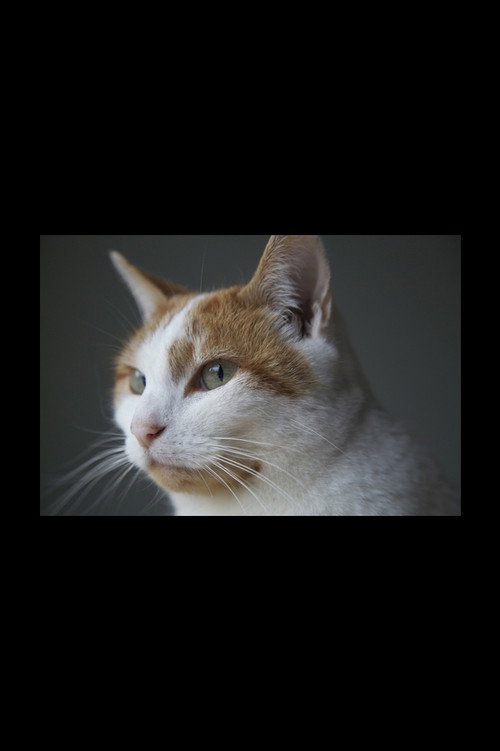
Felis Catus 2016
Vivienne Dick's *Felis Catus* (2016) is a deceptively simple yet thought-provoking short film that turns a domestic cat into a mirror for humanity's darker instincts.
Director: Vivienne Dick
Frequently Asked Questions
What is Felis Catus (2016) about?
*Felis Catus* follows a domestic cat while posing a provocative question: what if humans, not cats, were the true predators? The film uses minimal dialogue and striking imagery to contrast the cat's placid domesticity with the destructive nature of our own species, wrapped in a surreal, observational style.
Who directed Felis Catus?
The film was directed by Vivienne Dick, an experimental filmmaker known for her innovative approach to narrative and social commentary.
Who stars in Felis Catus?
The cast includes an unnamed domestic cat as the central figure, with no other credited human or animal performers.
Is Felis Catus (2016) worth watching?
Though it's a short experimental film with no IMDb rating, *Felis Catus* offers a fresh, ironic perspective on human behavior. Its bold themes and minimalist execution make it a compelling watch for fans of avant-garde cinema or provocative visual storytelling.
How long is Felis Catus?
The runtime for *Felis Catus* (2016) is 6 minutes.
About Felis Catus (2016) — A Six-Minute Critique of Humanity Through a House Cat's Eyes
Vivienne Dick's *Felis Catus* (2016) is a deceptively simple yet thought-provoking short film that turns a domestic cat into a mirror for humanity's darker instincts. Clocking in at just six minutes, the experimental piece juxtaposes the quiet grace of a house cat with the ruthless, planet-altering behavior of its human observers—Homo sapiens, the most destructive predator of all. Through minimalist storytelling and atmospheric visuals, Dick crafts a quietly subversive meditation on power, domestication, and the paradox of our own species.
Wrapped in a hypnotic tone, *Felis Catus* (2016) challenges viewers to reconsider who truly rules the roost. The film's sparse runtime belies its bold thematic weight, inviting reflection on our place in the natural world and the irony of calling another creature 'domestic' when we've reshaped the planet in our image. Whether viewed as satire, social commentary, or poetic allegory, Dick's work lingers long after the credits roll.