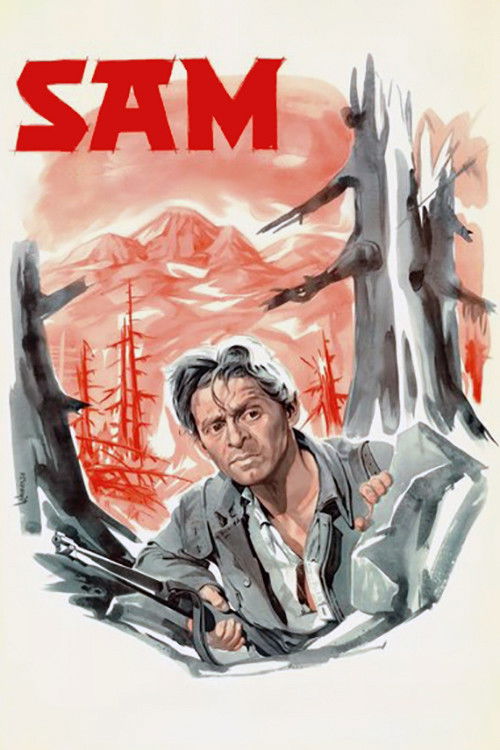
Alone 1959
Alone (1959) is a powerful war drama directed by Vladimir Pogačić that follows a desperate group of partisans making the ultimate sacrifice.
Director: Vladimir Pogačić
Cast

Frequently Asked Questions
What is Alone (1959) about?
Alone (1959) follows five partisan soldiers who remain behind to cover their unit's retreat during wartime. After discovering a dead woman's infant, they must protect both the child and their mission while facing overwhelming odds in this tense war drama.
Who directed Alone?
Alone was directed by Vladimir Pogačić, a Yugoslav filmmaker known for his work in war cinema during the 1950s and 1960s.
Who stars in Alone?
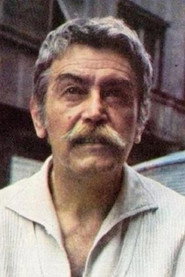
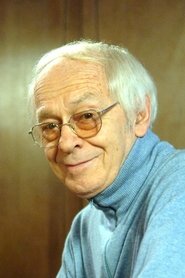
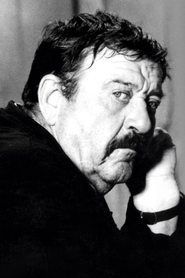
The film features Milan Puzić, Nikola Simić, Pavle Vuisić, Severin Bijelić, Radmila Andrić, and Milorad 'Miša' Volić in leading roles.
Is Alone (1959) worth watching?
As an unrated war drama, Alone (1959) offers compelling themes of sacrifice and human resilience that make it worthwhile for fans of serious historical cinema. The strong ensemble cast and intense storyline provide engaging viewing for those interested in Eastern European war films.
How long is Alone?
Alone has a runtime of 90 minutes.
Alone (1959) — War Drama About Sacrifice and Unexpected Hope
Alone (1959) is a powerful war drama directed by Vladimir Pogačić that follows a desperate group of partisans making the ultimate sacrifice. Based on Mihajlo Ranovcevic's novel, the film depicts five surviving fighters who choose to stay behind to cover their comrades' retreat, creating a poignant narrative about duty, loss, and unexpected hope.
Starring Milan Puzić, Nikola Simić, and Pavle Vuisić among others, this Yugoslav wartime epic captures the brutal realities of conflict while highlighting the humanity that persists even in darkest hours. The story takes a compelling turn when the survivors discover a newborn child, forcing them to confront new responsibilities amid chaos.
With its intense battlefield sequences and emotionally charged performances, Alone (1959) delivers both action and introspection. The film explores themes of sacrifice, brotherhood, and the cyclical nature of violence, making it a significant entry in Eastern European war cinema that resonates with audiences seeking meaningful historical drama.