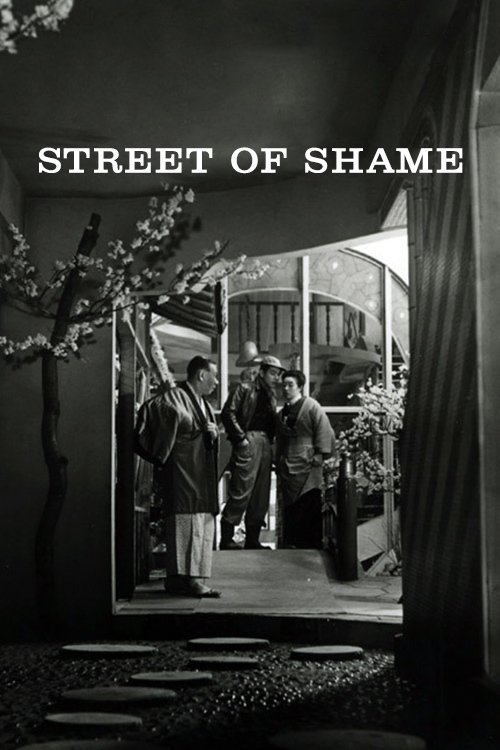
Street of Shame 1956
"Men were their prey! Beauty was their lure!"
Step into the neon-lit underbelly of post-war Japan with Kenji Mizoguchi's poignant drama *Street of Shame (1956)*, a searing portrait of five women navigating the moral and emotional minefield of life in a licensed brothel.
Director: Kenji Mizoguchi
Cast

Machiko Kyō
Mickey

Ayako Wakao
Yasumi

Michiyo Kogure
Hanae

Aiko Mimasu
Yumeko

Kenji Sugawara
Eiko

Yasuko Kawakami
Shizuko
Eitarō Shindō
Kurazô Taya
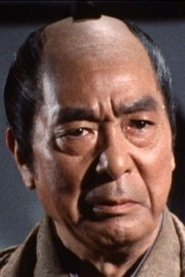
Bontarō Miake
Officer Nonomura

Haruo Tanaka
Osaka Salesman

Sadako Sawamura
Tatsuko Taya
Frequently Asked Questions
What is Street of Shame (1956) about?
*Street of Shame* (1956) unfolds in the shadowy alleys of Tokyo's licensed red-light district, where five women work at a brothel as the nation debates a law to criminalize prostitution. Each woman faces her own struggles—from debt and coercion to fleeting hope—while the specter of legal change looms over their fragile existence.
Who directed Street of Shame?
Kenji Mizoguchi, one of Japan's most celebrated filmmakers, directed *Street of Shame*. Known for his socially conscious dramas, Mizoguchi brings his signature empathy to this unflinching exploration of exploitation and resilience.
Who stars in Street of Shame?
The film stars Machiko Kyō, Ayako Wakao, Michiyo Kogure, Aiko Mimasu, and Kenji Sugawara, who deliver powerhouse performances as the brothel's residents.
Is Street of Shame (1956) worth watching?
Absolutely—*Street of Shame* is a masterclass in emotional storytelling, blending Mizoguchi's poetic direction with raw social commentary. While it's a stark drama, its themes of humanity and resilience resonate deeply, making it a must-see for fans of classic cinema and thought-provoking narratives.
How long is Street of Shame?
The film runs for 87 minutes, offering a concise yet immersive viewing experience.
About Street of Shame (1956) — Kenji Mizoguchi's haunting tale of survival in a world on the edge
Step into the neon-lit underbelly of post-war Japan with Kenji Mizoguchi's poignant drama *Street of Shame (1956)*, a searing portrait of five women navigating the moral and emotional minefield of life in a licensed brothel. As Tokyo's streets pulse with tension, the nation grapples with the looming passage of an anti-prostitution law—one that threatens to dismantle the fragile lives of these women and their dreams of escape. Mizoguchi crafts a story that's as much about societal decay as it is about personal resilience, blending stark realism with moments of quiet humanity.
Led by the luminous Machiko Kyō and Ayako Wakao, the ensemble cast breathes life into characters caught between economic necessity and the fading allure of beauty as currency. The film's atmosphere is thick with unease, capturing the claustrophobic tension of a society on the brink of change. *Street of Shame (1956)* isn't just a critique of exploitation—it's a meditation on the cost of freedom and the price of dignity, wrapped in the director's signature lyrical storytelling.