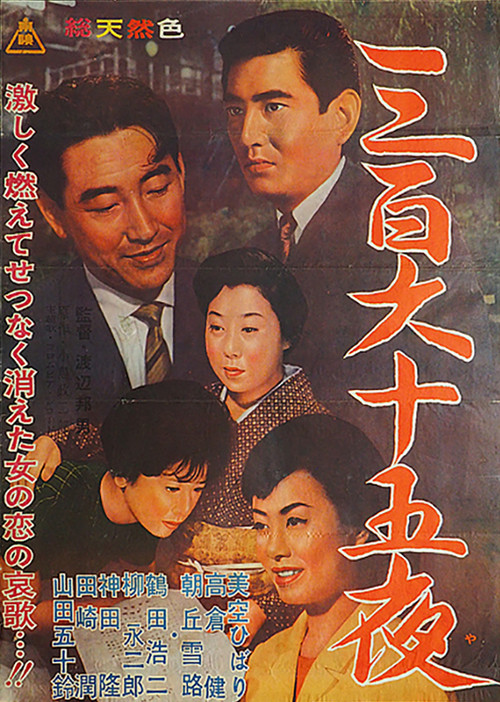
365 Nights 1962
Immerse yourself in the poignant world of *365 Nights (1962)*, a classic Japanese drama directed by Kunio Watanabe that weaves a delicate love triangle filled with emotional tension and societal pressures.
Director: Kunio Watanabe
Cast






Frequently Asked Questions
What is 365 Nights (1962) about?
*365 Nights* (1962) unfolds as a bittersweet tale of love and sacrifice, where a young architect named Koroku finds himself torn between two women. Ranko's promise to repay his family's debts challenges his loyalty, while his heart remains with Teruko, the woman he truly loves. The arrival of the manipulative Tsugawa adds layers of intrigue and conflict to their already complex relationships.
Who directed 365 Nights?
365 Nights was directed by the accomplished Kunio Watanabe, known for his sensitive storytelling and dramatic flair in Japanese cinema.
Who stars in 365 Nights?
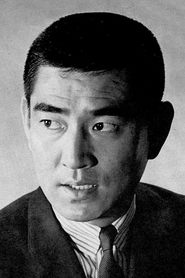
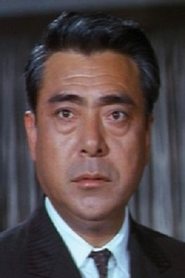
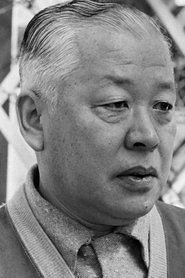
The film stars Ken Takakura as Koroku, with Yukiji Asaoka as Ranko, and Mikijiro Hira as Teruko, alongside Isuzu Yamada and Jun Tazaki in pivotal roles.
Is 365 Nights (1962) worth watching?
As an unrated drama set in a fascinating historical context, *365 Nights* (1962) delivers a compelling narrative filled with emotional depth and character-driven tension. Fans of classic Japanese cinema or period dramas will likely find its themes of love and duty both relatable and thought-provoking.
How long is 365 Nights?
365 Nights (1962) has a runtime of 95 minutes.
About 365 Nights (1962) — A Heartrending Love Triangle Set in Post-War Japan
Immerse yourself in the poignant world of *365 Nights (1962)*, a classic Japanese drama directed by Kunio Watanabe that weaves a delicate love triangle filled with emotional tension and societal pressures. Set against the backdrop of post-war Japan, the film follows Koroku, a young architect entangled in a moral dilemma as he grapples with the affections of two very different women. Ranko, from a wealthy family, offers to clear his family's debts in exchange for marriage, while Koroku's heart belongs to Teruko, the daughter of his landlord. Their fragile romance becomes further complicated when the cunning Tsugawa enters the picture, vying for both women's attention with selfish motives. Watanabe's direction infuses the story with a melancholic charm, exploring themes of duty, desire, and the weight of tradition in a rapidly changing society.
With its rich character dynamics and atmospheric storytelling, *365 Nights (1962)* captures the essence of human conflict and longing in a way that resonates across generations. The film's restrained yet evocative visuals and compelling performances elevate it beyond a simple melodrama, making it a standout in the drama genre. Whether you're drawn to its historical setting or the timeless struggle between personal happiness and obligation, this cinematic gem offers a deeply moving experience worth savoring.