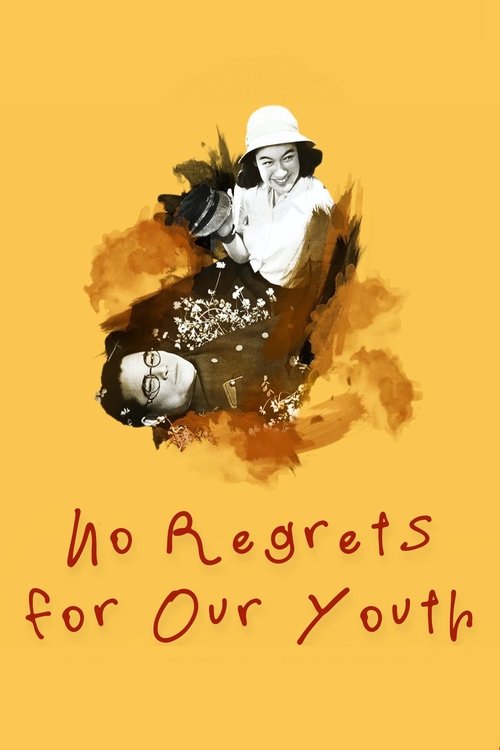
No Regrets for Our Youth 1946
Akira Kurosawa's 1946 drama *No Regrets for Our Youth* follows Yukie, a spirited young woman whose world is upended when her anti-fascist professor father is removed from his post during Japan's turbulent pre- and post-WWII era.
Director: Akira Kurosawa
Cast
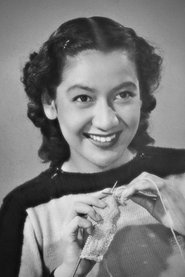
Setsuko Hara
Yukie Yagihara
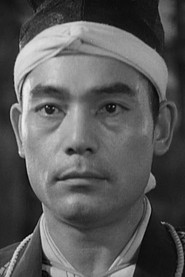
Susumu Fujita
Ruykichi Noge
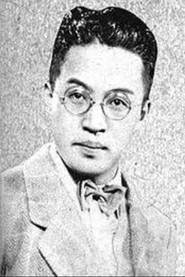
Denjirō Ōkōchi
Professor Yagihara
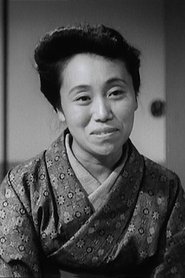
Haruko Sugimura
Madame Noge
Eiko Miyoshi
Madame Yagihara
Akitake Kōno
Itokawa
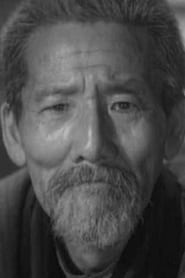
Kokuten Kōdō
Mr. Noge
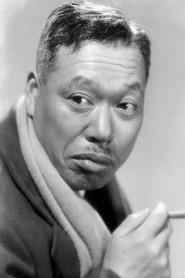
Takashi Shimura
Police Commissioner 'Poison Strawberry' Dokuichigo
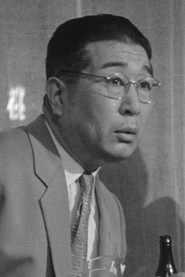
Taizō Fukami
Minister of Education
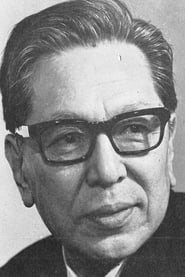
Masao Shimizu
Professor Hakozaki
Frequently Asked Questions
What is No Regrets for Our Youth (1946) about?
This wartime drama centers on Yukie, a young woman whose life is transformed when her father, a staunch anti-fascist professor, is ousted from his position. Her journey unfolds against the backdrop of Japan's political and social chaos, as she grapples with love, loyalty, and the courage to forge her own identity in an era of repression.
Who directed No Regrets for Our Youth?
Akira Kurosawa, one of Japan's most celebrated filmmakers, directed *No Regrets for Our Youth* in 1946.
Who stars in No Regrets for Our Youth?
The film features Setsuko Hara as Yukie, alongside Susumu Fujita, Denjirō Ōkōchi, Haruko Sugimura, and Eiko Miyoshi in pivotal roles.
Is No Regrets for Our Youth (1946) worth watching?
A standout in Kurosawa's filmography, *No Regrets for Our Youth* offers a gripping blend of political drama and personal growth, driven by strong performances and thought-provoking themes. While it's not as widely known as some of his later works, its historical significance and emotional depth make it a compelling watch for fans of classic cinema.
How long is No Regrets for Our Youth?
The runtime for *No Regrets for Our Youth* is 111 minutes.
🎥 Trailer
About No Regrets for Our Youth (1946) — Akira Kurosawa's powerful WWII-era drama of conviction and change
Akira Kurosawa's 1946 drama *No Regrets for Our Youth* follows Yukie, a spirited young woman whose world is upended when her anti-fascist professor father is removed from his post during Japan's turbulent pre- and post-WWII era. Forced to confront the weight of political repression, she navigates love, loss, and societal upheaval as she searches for her place in a world on the brink of change. The film's stark black-and-white cinematography mirrors the emotional intensity of Yukie's journey, blending personal awakening with the collective struggle of a nation in turmoil.
As Yukie's convictions deepen, she makes choices that defy expectations, ultimately carving out a path defined by resilience and quiet rebellion. Kurosawa crafts a poignant exploration of moral courage and the cost of standing for one's beliefs, anchored by the magnetic performance of Setsuko Hara in the lead role.