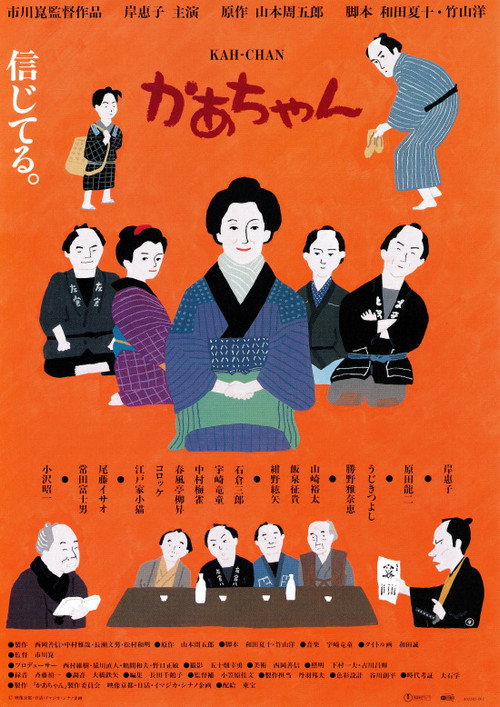
Kah-chan 2001
Set in the mid-18th century Edo period, *Kah-chan (2001)* follows Okatsu, a resilient widow navigating the hardships of famine while quietly caring for her five adult children still dependent on her.
Director: Kon Ichikawa
Cast





Frequently Asked Questions
What is Kah-chan (2001) about?
This film centers on Okatsu, a widow in 18th-century Japan who endures harsh criticism for her frugality while secretly saving to help a wrongfully imprisoned friend start a business after release. Her quiet resilience unfolds against the backdrop of a famine, revealing the sacrifices behind societal expectations.
Who directed Kah-chan?
The film was directed by Kon Ichikawa, a revered Japanese filmmaker known for his sharp storytelling and adaptations of classic literature.
Who stars in Kah-chan?
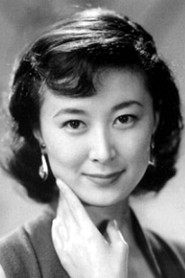
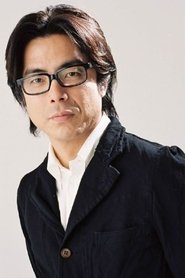
The cast includes Keiko Kishi, Ryuji Harada, Tsuyoshi Ujiki, Saburo Ishikura, and Baijaku Nakamura in pivotal roles.
Is Kah-chan (2001) worth watching?
While unrated on IMDb, *Kah-chan* offers a deeply moving historical drama experience with strong performances and Kon Ichikawa's signature direction. Its themes of sacrifice and resilience make it a rewarding watch for fans of period films, even if it leans more toward character study than spectacle.
How long is Kah-chan?
The film has a runtime of 96 minutes.
About Kah-chan (2001): A Tale of Sacrifice in Historical Japan — Full Movie Info
Set in the mid-18th century Edo period, *Kah-chan (2001)* follows Okatsu, a resilient widow navigating the hardships of famine while quietly caring for her five adult children still dependent on her. Directed by the legendary Kon Ichikawa, this historical drama weaves a tale of quiet heroism as Okatsu sacrifices everything to support a friend's future, all while facing criticism for her frugality. The film blends stark realism with deep emotional undercurrents, capturing the resilience of ordinary people in extraordinary circumstances.
Starring Keiko Kishi in a defining role, *Kah-chan* explores themes of sacrifice, societal judgment, and the unspoken bonds of friendship. With Ichikawa's masterful direction, the movie immerses viewers in Edo-era Japan, where poverty and tradition collide. A poignant reflection on family and community, it's a must-watch for fans of historical dramas seeking authenticity and emotional depth.