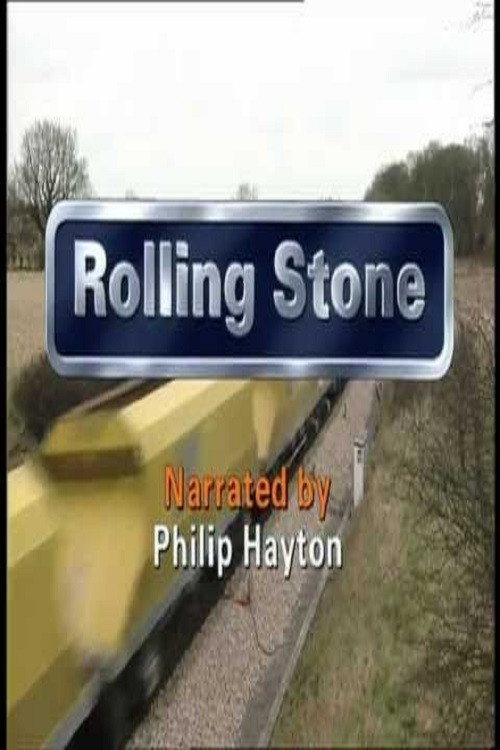
Rolling Stone 1992
Dive into the fascinating world of heavy haulage with the 1992 documentary *Rolling Stone*, a deep-dive exploration of the Class 59 locomotives that revolutionized the stone-carrying industry.
Frequently Asked Questions
What is Rolling Stone (1992) about?
*Rolling Stone* delves into the acquisition and deployment of Class 59 locomotives at Whatley Quarry in 1992. The documentary highlights the engineering breakthroughs, maintenance challenges, and the sheer scale of these locomotives, which could pull trains weighing over 4000 tons. It's a behind-the-scenes look at a pivotal moment in railway history.
Who directed Rolling Stone?
Director information is not available.
Who stars in Rolling Stone?
The documentary features the Class 59 locomotives as its primary 'stars,' alongside the quarrying operations and the crews involved in their operation.
Is Rolling Stone (1992) worth watching?
For railway enthusiasts and documentary lovers, *Rolling Stone* is a compelling watch. It delivers a unique blend of industrial history and mechanical grandeur, even if it's niche. Without an IMDb rating, its value depends on your interest in heavy haulage and railway engineering.
How long is Rolling Stone?
Rolling Stone has a runtime of 81 minutes.
About Rolling Stone (1992) — Discover the locomotives that changed freight hauling
Dive into the fascinating world of heavy haulage with the 1992 documentary *Rolling Stone*, a deep-dive exploration of the Class 59 locomotives that revolutionized the stone-carrying industry. This gripping film chronicles the ambitious purchase and deployment of these powerful engines at Whatley Quarry, showcasing the engineering marvels built by General Motors in Canada. From their meticulous construction to their groundbreaking delivery and maintenance, the documentary captures the dramatic scale of these machines, each capable of hauling trains over 4000 tons. Ride along on a thrilling road test journey from Whatley to Weymouth, uncovering the human ingenuity and mechanical precision behind this industrial transformation.
With an atmosphere of raw industrial power and behind-the-scenes insight, *Rolling Stone (1992)* offers a rare glimpse into a pivotal moment in railway history, blending technical detail with the sheer awe of massive locomotives in motion.