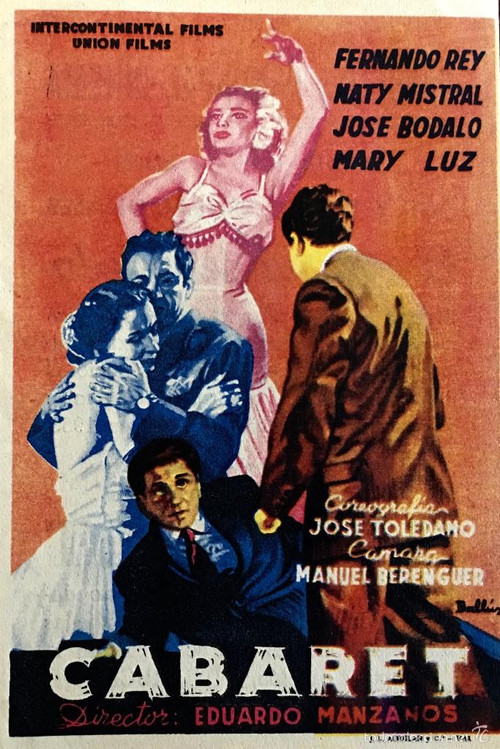
Cabaret 1953
Set against the gritty backdrop of mid-century Spain, *Cabaret (1953)* plunges viewers into a world of deception and intrigue as a daring swindler's crime spree takes center stage.
Director: Eduardo Manzanos
Cast
Frequently Asked Questions
What is Cabaret (1953) about?
*Cabaret (1953)* follows a high-stakes investigation into a major scam, led by the police as they trace the perpetrator's movements. The trail ultimately leads to a lively cabaret, where a colorful cast of characters—each with their own secrets—cross paths in unexpected ways. The film blends crime and drama against a backdrop of human connection and moral complexity.
Who directed Cabaret?
Cabaret (1953) was directed by Eduardo Manzanos. While not as widely celebrated as some contemporaries, Manzanos crafted a film that balances tension with atmospheric storytelling.
Who stars in Cabaret?
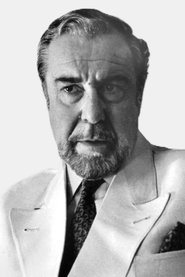
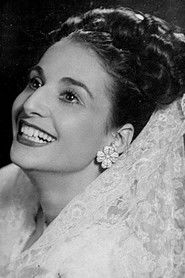
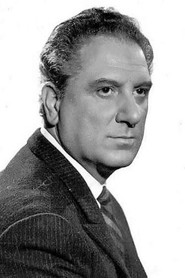
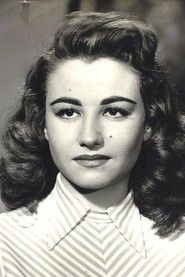
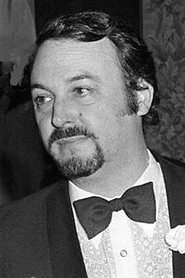
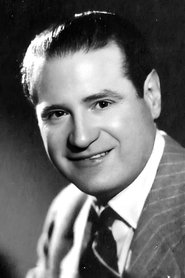
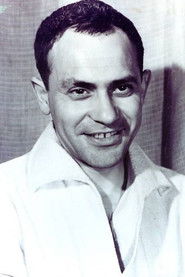
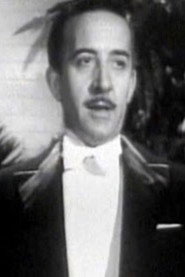
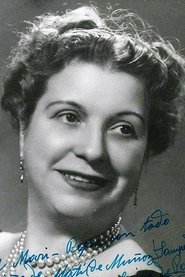
The film stars Fernando Rey, Nati Mistral, José Bódalo, María Luz Galicia, and Rafael Romero Marchent in pivotal roles.
Is Cabaret (1953) worth watching?
Though unrated on IMDb, *Cabaret (1953)* shines as a tight, 69-minute noir-tinged drama with strong performances. Its blend of crime, drama, and character-driven storytelling makes it a hidden gem for fans of mid-century European cinema seeking something authentic and atmospheric.
How long is Cabaret?
Cabaret (1953) has a runtime of 69 minutes.
About Cabaret (1953) — A Gritty Crime Drama Set in the Heart of a Spanish Cabaret
Set against the gritty backdrop of mid-century Spain, *Cabaret (1953)* plunges viewers into a world of deception and intrigue as a daring swindler's crime spree takes center stage. Directed by Eduardo Manzanos and unfolding within the smoky, vibrant walls of a lively cabaret, the film weaves together a tapestry of complex characters—from cunning schemers to performers hiding their own truths. The cabaret becomes more than just a setting; it's a microcosm where human virtues and vices collide, revealing stories of resilience, betrayal, and unexpected humanity. With its moody atmosphere and sharp focus on moral ambiguity, this drama captures the tension between spectacle and substance, making it a compelling exploration of 1950s societal undercurrents.
The ensemble cast, led by Fernando Rey, Nati Mistral, and José Bódalo, delivers performances that ground the film's intensity in emotional authenticity. Their characters' fates intertwine against the cabaret's backdrop, where music and drama blend seamlessly. Whether you're drawn to its noir-inspired crime narrative or the richly drawn personalities at its heart, *Cabaret (1953)* offers a brisk yet immersive cinematic experience that lingers long after the final scene.