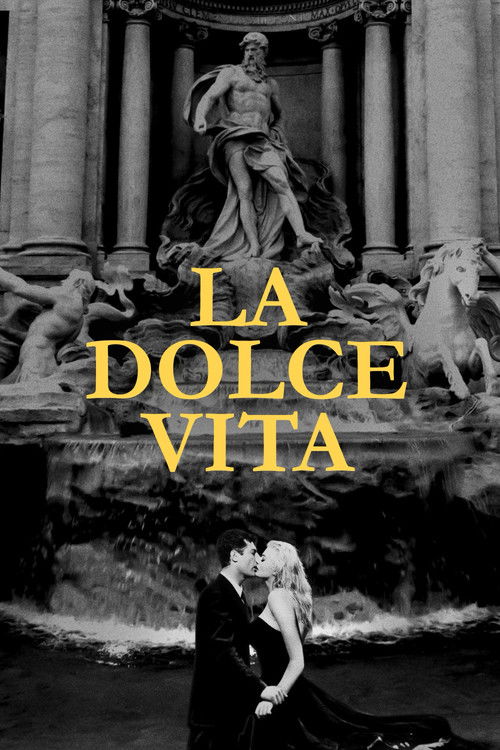
La Dolce Vita 1960
"The world’s most talked about movie today!"
Federico Fellini's *La Dolce Vita (1960)* is a dazzling, epoch-defining portrait of mid-century Rome's glittering high society, seen through the eyes of Marcello Rubini (Marcello Mastroianni), a disillusioned journalist caught between the seductive c...
Director: Federico Fellini
Cast
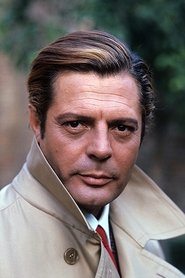
Marcello Mastroianni
Marcello Rubini

Anita Ekberg
Sylvia
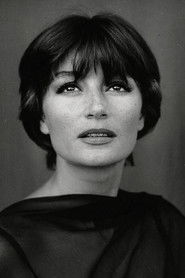
Anouk Aimée
Maddalena
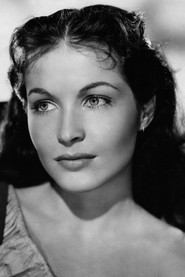
Yvonne Furneaux
Emma
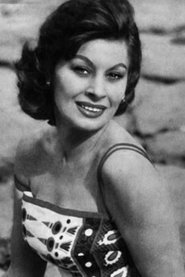
Magali Noël
Fanny
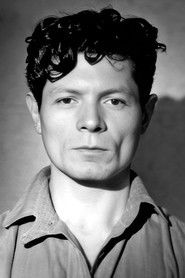
Alain Cuny
Steiner
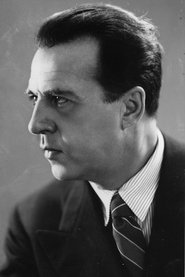
Annibale Ninchi
Marcello's father
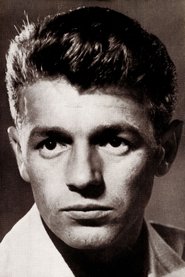
Walter Santesso
Paparazzo
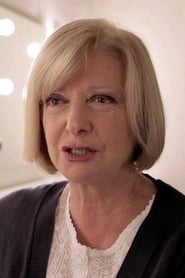
Valeria Ciangottini
Paola
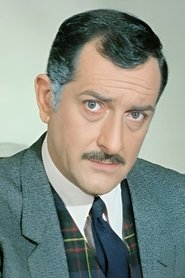
Riccardo Garrone
Riccardo
Frequently Asked Questions
What is La Dolce Vita (1960) about?
The film follows Marcello Rubini, a jaded journalist navigating Rome's glittering socialite circles, torn between fleeting romances, artistic aspirations, and the gnawing sense that he's missing something deeper. It's a meditation on fame, love, and the price of compromise.
Who directed La Dolce Vita?
Federico Fellini, the Italian maestro whose visionary storytelling redefined cinema in the 20th century.
Who stars in La Dolce Vita?
The film features Marcello Mastroianni as the conflicted Marcello, alongside Anita Ekberg, Anouk Aimée, Yvonne Furneaux, and Magali Noël in standout roles.
Is La Dolce Vita (1960) worth watching?
Absolutely—it's a landmark of European cinema, blending sharp social commentary with Fellini's signature surrealism. While not your typical crowd-pleaser, its themes of disillusionment and longing resonate universally, making it essential viewing for film lovers.
How long is La Dolce Vita?
The film runs for 176 minutes, or just under three hours.
🎥 Trailer
About La Dolce Vita (1960) — Fellini's Masterpiece of Love, Fame, and the Empty Pursuit of Happiness
Federico Fellini's *La Dolce Vita (1960)* is a dazzling, epoch-defining portrait of mid-century Rome's glittering high society, seen through the eyes of Marcello Rubini (Marcello Mastroianni), a disillusioned journalist caught between the seductive chaos of celebrity, excess, and artistic ambition.
The film unfolds as a series of vignettes—sweet, decadent, and often melancholic—where Marcello chases fleeting connections with the rich and famous, from the enigmatic Swedish actress Sylvia (Anita Ekberg) to his conflicted relationship with his long-suffering girlfriend. Fellini's vision blends sharp social satire with dreamlike surrealism, capturing the emptiness beneath Rome's glamorous facade.