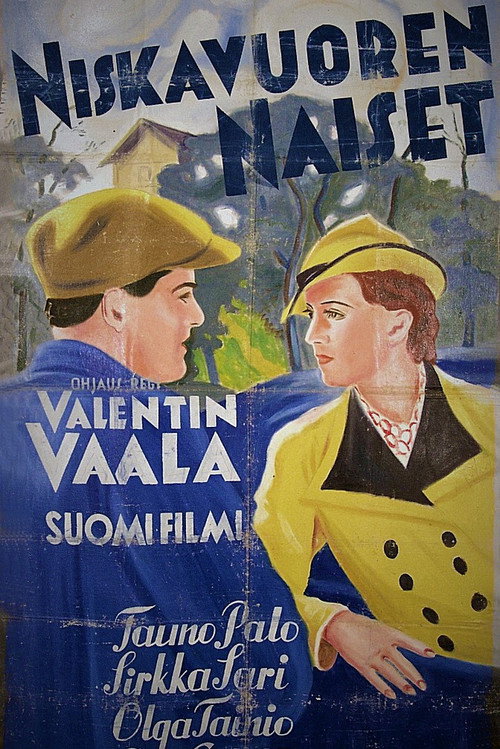
The Women of Niskavuori 1938
Directed by the acclaimed Valentin Vaala, The Women of Niskavuori (1938) is a poignant drama that delves into the complexities of rural Finnish life.
Director: Valentin Vaala
Cast
Frequently Asked Questions
What is The Women of Niskavuori (1938) about?
The film tells the story of Aarne, a man who must choose between his duty to his family and his love for the beautiful school teacher Ilona.
Who directed The Women of Niskavuori?
The film was directed by the acclaimed Valentin Vaala.
Who stars in The Women of Niskavuori?
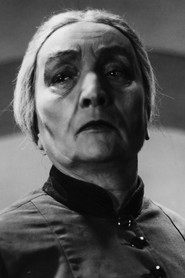
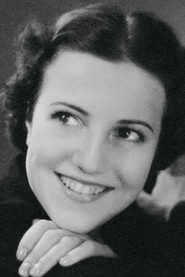
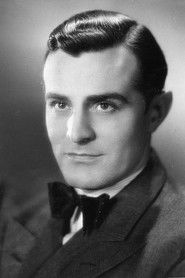
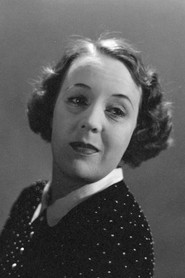
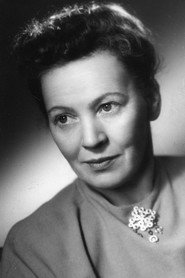
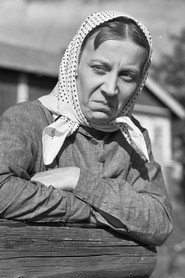
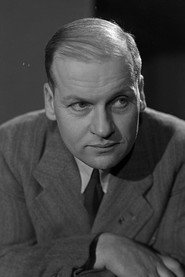
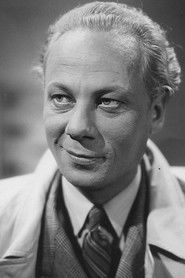
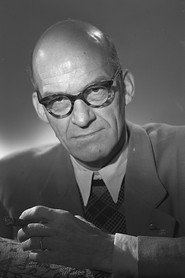
The film features a talented cast, including Olga Tainio, Sirkka Sari, and Tauno Palo.
Is The Women of Niskavuori (1938) worth watching?
While the film may not have received a modern rating, its nuanced exploration of love and duty makes it a compelling watch for fans of period dramas and romance.
How long is The Women of Niskavuori?
The film has a runtime of 84 minutes.
About The Women of Niskavuori (1938) — A poignant drama of love and duty in rural Finland.
Directed by the acclaimed Valentin Vaala, The Women of Niskavuori (1938) is a poignant drama that delves into the complexities of rural Finnish life. The film tells the story of Aarne, a man who marries for duty rather than love, only to find himself torn between his obligation to his family and his newfound passion for the beautiful school teacher Ilona. As the village is turned upside down by Ilona's arrival, Aarne must confront the societal expectations that have long governed his life. Set against the picturesque backdrop of rural Finland, The Women of Niskavuori is a nuanced exploration of love, duty, and the human condition.
With its richly atmospheric setting and complex characters, The Women of Niskavuori is a must-watch for fans of period dramas and romance. The film features a talented cast, including Olga Tainio, Sirkka Sari, and Tauno Palo, who bring depth and nuance to their performances. As the story unfolds, it becomes clear that The Women of Niskavuori is more than just a simple romance – it's a thought-provoking commentary on the social norms that shape our lives.