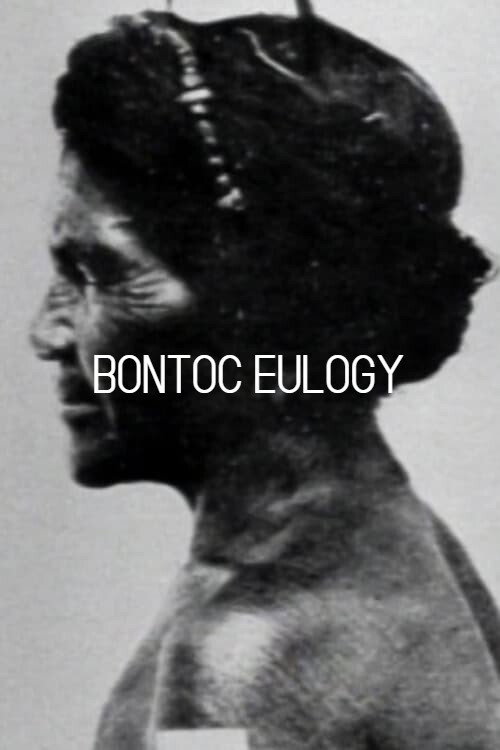
Bontoc Eulogy 1995
"The 1904 St. Louis World's Fair included a live exhibit of tribesmen from what is now known as the Philippines; what happened to these people?"
Dive into the unsettling past uncovered in *Bontoc Eulogy* (1995), a profound documentary by Bridget Yearian that weaves together history and personal reflection. Filmmaker Marlon E.
Director: Bridget Yearian
Cast
Frequently Asked Questions
What is *Bontoc Eulogy* (1995) about?
*Bontoc Eulogy* (1995) explores filmmaker Marlon E. Fuentes' personal journey into his Filipino heritage, uncovering the disturbing true story of tribal natives taken from the Philippines to the 1904 St. Louis World's Fair as "living exhibits." The film blends history, memory, and cultural critique to expose the exploitation behind the era's grand spectacles.
Who directed *Bontoc Eulogy*?
*Bontoc Eulogy* was directed by Bridget Yearian, who masterfully crafts a documentary that balances historical rigor with emotional depth.
Who stars in *Bontoc Eulogy*?
The documentary features Marlon Fuentes as the central figure, alongside Jordan Porter, Nicole Antonio, Enrico Obusan, and Eliseo Bacolod in key roles.
Is *Bontoc Eulogy* (1995) worth watching?
*Bontoc Eulogy* (1995) is a compelling watch for those interested in documentary films that challenge historical narratives. Its haunting atmosphere and personal stakes make it a standout in the genre, even without a formal rating.
How long is *Bontoc Eulogy*?
Runtime is 56 minutes.
Bontoc Eulogy (1995): Unearthing Colonial Shame in a Haunting Documentary
Dive into the unsettling past uncovered in *Bontoc Eulogy* (1995), a profound documentary by Bridget Yearian that weaves together history and personal reflection. Filmmaker Marlon E. Fuentes traces his heritage through the harrowing true story of over 1,100 Filipino tribal natives forcibly brought to the 1904 St. Louis World's Fair as "living exhibits." This isn't the glamorous fairgrounds of creampuff victoriana; it's a stark confrontation with the cultural arrogance of the era. Through haunting visuals and archival whispers, the film exposes the exploitation that lurked beneath the spectacle, leaving viewers to grapple with the lingering scars of colonialism.
Yearian crafts a deeply atmospheric narrative, blending archival footage with poetic introspection. Marlon Fuentes emerges as both guide and protagonist, navigating the emotional weight of a past that refuses to stay buried. The result is a documentary that's as much a eulogy as it is a revelation—part meditation on identity, part indictment of historical amnesia. *Bontoc Eulogy* (1995) isn't just a film; it's a confrontation with the ghosts of history, demanding to be seen and remembered.