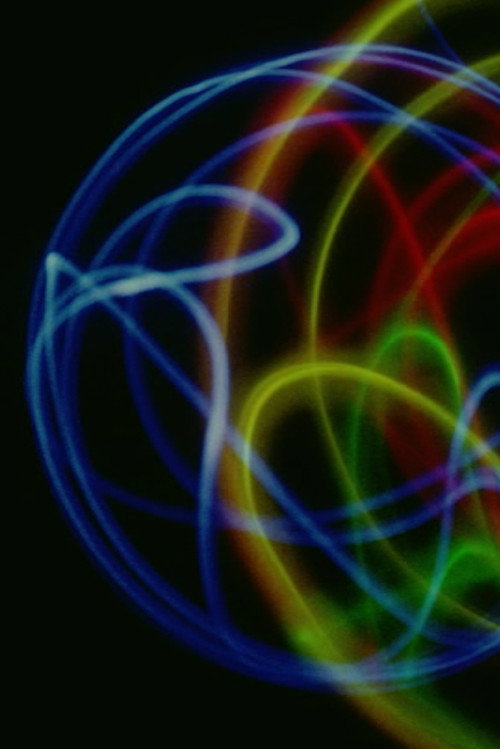
#3 1994
#3 (1994) is an avant-garde animation short that marked the directorial debut of visionary filmmaker Joost Rekveld.
Director: Joost Rekveld
Frequently Asked Questions
What is #3 (1994) about?
#3 is an abstract animation short that explores the intersection of light, movement, and chaos. It uses a tiny light source recorded over long exposure times to create intricate patterns on film. The result is a mesmerizing visual experiment that feels both mechanical and organic.
Who directed #3?
Joost Rekveld directed #3 (1994). The film marked one of his earliest experiments with structured chaos, setting the foundation for his later work in experimental cinema.
Who stars in #3?
There are no traditional actors in #3 (1994). The film features visual patterns created by light and mechanical systems, with no credited cast.
Is #3 (1994) worth watching?
While #3 is a niche experimental film, its innovative use of light and chaos makes it a compelling watch for fans of avant-garde cinema. Its 4-minute runtime is a quick but potent experience that lingers in the mind.
How long is #3?
The runtime of #3 (1994) is 4 minutes.
About #3 (1994) — A hypnotic 4-minute experiment in light, chaos, and motion
#3 (1994) is an avant-garde animation short that marked the directorial debut of visionary filmmaker Joost Rekveld. This mesmerizing 4-minute piece introduces the director's signature approach to structuring visuals through controlled chaos, using a tiny light source captured with extreme long-exposure photography. The resulting traces on photographic emulsion create hypnotic, abstract patterns that feel both mechanical and organic. The film explores themes of unpredictability and order, blending scientific curiosity with artistic experimentation. Its atmosphere is dreamlike yet precise, offering a fleeting but unforgettable experience that lingers like a fading light trail. A groundbreaking work that feels both futuristic and timeless.
While #3 is minimalist in runtime, it packs a powerful punch in terms of innovation. Rekveld's use of chaotic mechanical systems as a visual tool pushes the boundaries of experimental animation. The interplay of light, time, and movement crafts a sensory experience that invites viewers to lose themselves in the beauty of controlled disorder. It's a film that rewards patience and curiosity, leaving a lasting impression long after the credits roll.