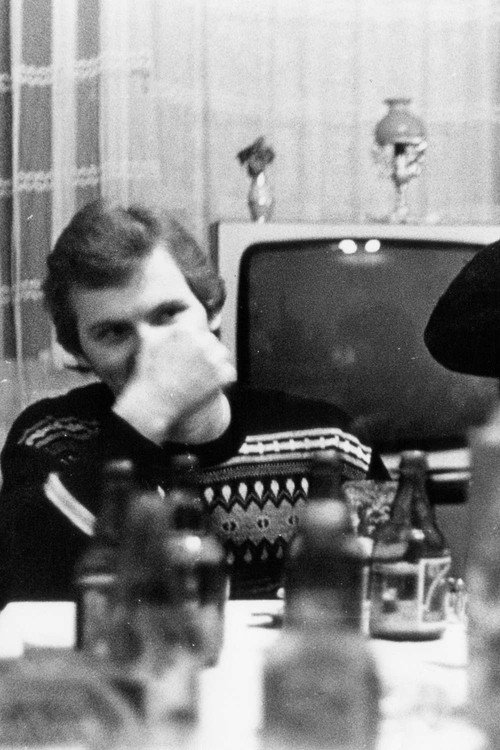
So Why Make a Film About These People? 1980
Thomas Heise's raw debut film, *So Why Make a Film About These People?* (1980), captures a snapshot of life in East Germany through the lens of a student documentary.
Director: Thomas Heise
Frequently Asked Questions
What is So Why Make a Film About These People? (1980) about?
This 1980 documentary by Thomas Heise follows a group of East Germans during a pivotal Easter break, capturing their daily lives under state surveillance. The film is a raw, unfiltered glimpse into a society where free expression was heavily restricted, framed through the lens of a student filmmaker's rebellious vision.
Who directed So Why Make a Film About These People??
The film was directed by Thomas Heise, a German filmmaker whose early work in East Germany was marked by political tension and artistic defiance.
Who stars in So Why Make a Film About These People??
Cast information for this 1980 student documentary is not publicly listed.
Is So Why Make a Film About These People? (1980) worth watching?
As a historical document of East German life, *So Why Make a Film About These People?* offers a rare and compelling perspective on a closed society. Though niche in its focus, the film's significance lies in its survival against censorship and its uncompromising portrayal of resistance through art.
How long is So Why Make a Film About These People??
This short documentary runs for 32 minutes.
About So Why Make a Film About These People? (1980) — The Student Doc That Defied East Germany's Censors
Thomas Heise's raw debut film, *So Why Make a Film About These People?* (1980), captures a snapshot of life in East Germany through the lens of a student documentary. Shot in stark black-and-white over a single Easter vacation on 16mm reversal film, the project became Heise's only completed work during his time at the GDR's prestigious College of Film and Television in Potsdam-Babelsberg. The film's unpolished, observational style immerses viewers in the harsh realities of a society under surveillance, offering a glimpse into everyday struggles against political oppression. Banned from public screening upon completion, it languished in obscurity until the fall of the Berlin Wall in 1989, emerging as a haunting artifact of a vanished era.
This 32-minute documentary is more than a historical footnote—it's a defiant act of artistic rebellion. Heise's unflinching gaze peers into the lives of ordinary people navigating a system that stifled dissent, leaving modern audiences to ponder the power of cinema as both witness and resistance. The film's survival and eventual rediscovery underscore its significance as a document of resistance through artistry.