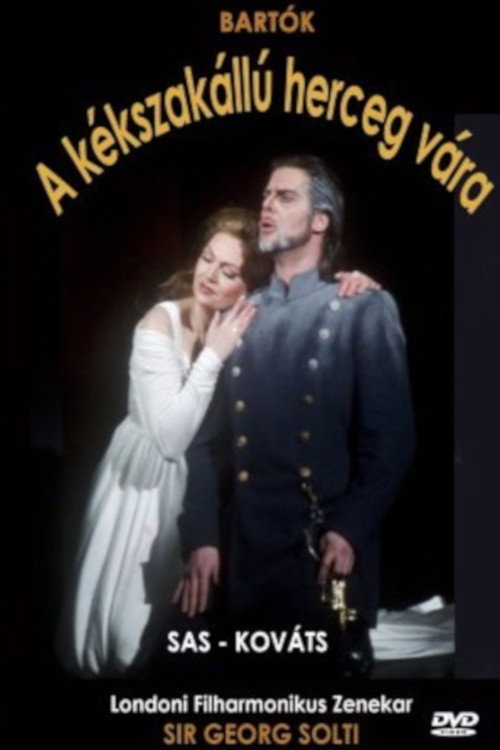
A kékszakállú herceg vára 1981
Experience the hauntingly beautiful film adaptation of Béla Bartók's singular opera *A kékszakállú herceg vára (1981)*, a cinematic jewel that blends Hungarian artistry with orchestral grandeur.
Director: Miklós Szinetár
Frequently Asked Questions
What is A kékszakállú herceg vára (1981) about?
This film adapts Béla Bartók's only opera, *Bluebeard's Castle*, following Judith as she enters the mysterious castle of Duke Bluebeard. As she explores the seven doors, she discovers dark secrets tied to his past, each revealing more about his isolated existence.
Who directed A kékszakállú herceg vára?
Miklós Szinetár directed this visually striking adaptation, bringing Bartók's operatic vision to life on screen with cinematic flair.
Who stars in A kékszakállú herceg vára?
The acclaimed soprano Sylvia Sass takes the lead role as Judith, with Sir Georg Solti conducting the London Philharmonic Orchestra.
Is A kékszakállú herceg vára (1981) worth watching?
With its rich musical composition and atmospheric storytelling, this film is a rare gem for opera enthusiasts and film lovers. While niche, its artistic value makes it a rewarding watch for those who appreciate unconventional cinema.
How long is A kékszakállú herceg vára?
The runtime of *A kékszakállú herceg vára (1981)* is 58 minutes.
About A kékszakállú herceg vára (1981) — A Bartók Opera Film You Can't Miss
Experience the hauntingly beautiful film adaptation of Béla Bartók's singular opera *A kékszakállú herceg vára (1981)*, a cinematic jewel that blends Hungarian artistry with orchestral grandeur. Directed by Miklós Szinetár and conducted by the legendary Sir Georg Solti, this all-Hungarian production captures the eerie, atmospheric tale of Duke Bluebeard's castle with breathtaking visuals and musical depth. Sylvia Sass stars as Judith, whose curiosity unravels the dark secrets hidden within the castle's seven doors, paired with Solti's masterful interpretation of Bartók's only opera.
This 58-minute film is a mesmerizing fusion of opera and cinema, where every frame feels like a painting and every note resonates with emotional intensity. The Hungarian maestro's conducting elevates the score into a spine-tingling experience, while the minimalist yet evocative storytelling delves into themes of isolation, mystery, and the unknown. A must-see for lovers of avant-garde theater, classical music, and cinematic storytelling alike.