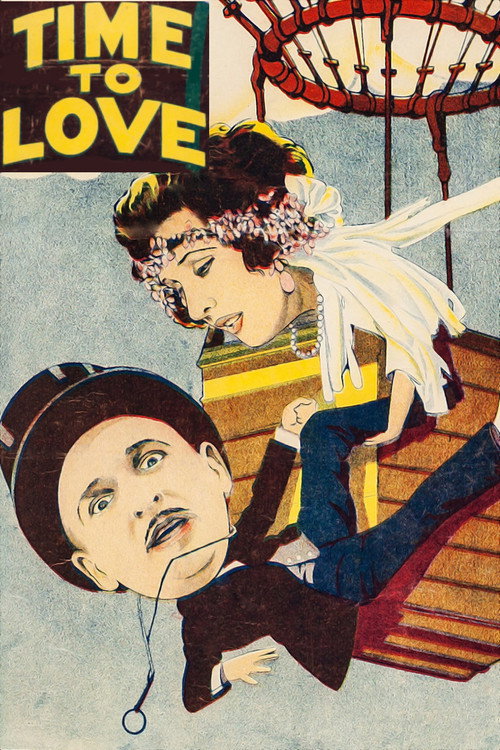
Time to Love 1927
"A Laugh for Every Tick of the Clock."
Time to Love (1927) is a charming silent-era romp that blends romance, comedy, and drama into a breezy 50-minute escape.
Director: Frank Tuttle
Cast
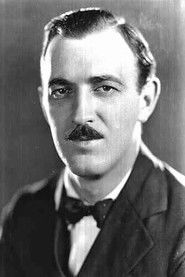
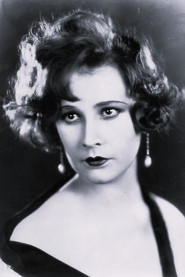

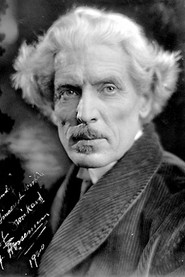
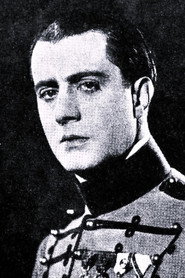
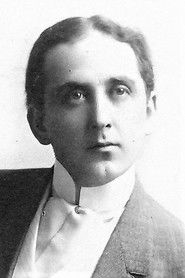
Frequently Asked Questions
What is Time to Love (1927) about?
Time to Love follows Alfred Sava-Goiu, a man so heartbroken he considers ending it all—until he's fished out of the Seine by the glamorous Countess Elvire. Their whirlwind romance takes an adventurous turn when Alfred must rescue his new love from a perilous waterfall, turning despair into delight in this silent-era gem.
Who directed Time to Love?
Frank Tuttle directed Time to Love, bringing a lighthearted yet polished touch to this 1927 silent-era romance.
Who stars in Time to Love?
The film stars Raymond Griffith as Alfred, Vera Voronina as Countess Elvire, and William Powell in a supporting role, with Josef Swickard and Mario Carillo rounding out the cast.
Is Time to Love (1927) worth watching?
As a short silent-era film, Time to Love offers a delightful snapshot of 1920s cinema with its blend of romance, comedy, and drama. While not a blockbuster, its playful tone and charming performances make it a charming watch for fans of early film history.
How long is Time to Love?
Time to Love runs for 50 minutes.
About Time to Love (1927) — A Silent-Era Romance Comedy You'll Adore
Time to Love (1927) is a charming silent-era romp that blends romance, comedy, and drama into a breezy 50-minute escape. Directed with playful energy by Frank Tuttle, the film follows Alfred Sava-Goiu, a lovelorn soul who, after a romantic setback, dramatically contemplates ending it all—only to land in a boat owned by the elegant Countess Elvire. Their unexpected connection blossoms into a flurry of life-affirming mischief as Alfred leaps into action to save his newfound love from disaster.
With its witty ensemble cast featuring Raymond Griffith and William Powell, Time to Love captures the whimsy of 1920s cinema while delivering a heartfelt meditation on second chances and serendipitous romance. The film's lighthearted tone belies a deeper charm—its visual storytelling and expressive performances invite audiences to savor a bygone era of cinematic elegance.