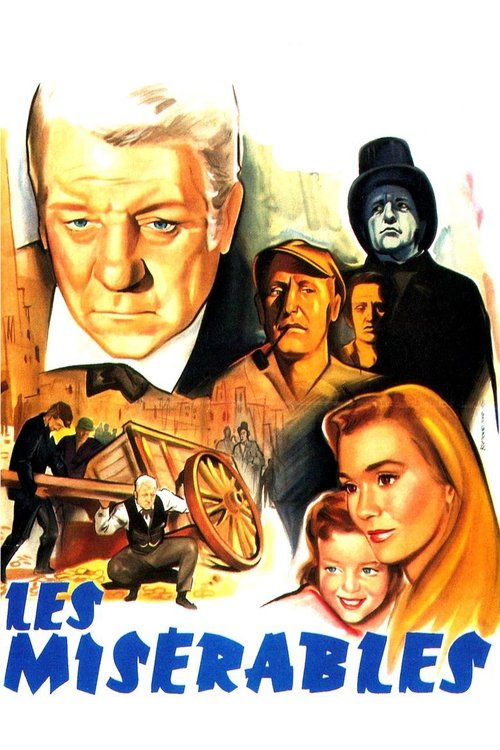
Les Misérables 1958
Jean-Paul Le Chanois's 1958 adaptation of Les Misérables (1958) plunges viewers into the gritty streets of 19th-century France, where Jean Valjean's journey from wronged ex-convict to benevolent father clashes with the unyielding pursuit of Inspector Javert.
Director: Jean-Paul Le Chanois
Cast

Jean Gabin
Jean Valjean / Champmathieu
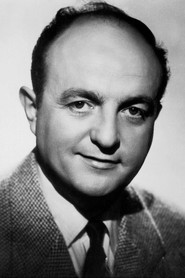
Bernard Blier
Javert father / Javert son

Béatrice Altariba
Cosette

Giani Esposito
Marius de Pontmercy

Bourvil
Thénardier

Silvia Monfort
Éponine Thénardier

Danièle Delorme
Fantine

Elfriede Florin
La Thénardier

Serge Reggiani
Enjolras
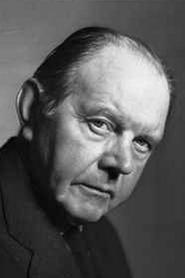
Fernand Ledoux
Monsignor Bienvenu Myriel
Frequently Asked Questions
What is Les Misérables (1958) about?
The film follows Jean Valjean, a man sentenced to prison for stealing bread, who later breaks parole and rebuilds his life under a new identity. His peaceful existence is threatened by the relentless Inspector Javert, whose obsession with upholding the law forces Valjean into a dramatic confrontation between morality and duty. The story unfolds against the turbulent backdrop of France's student revolutions.
Who directed Les Misérables?
Les Misérables (1958) was directed by Jean-Paul Le Chanois, a filmmaker known for blending social commentary with compelling storytelling.
Who stars in Les Misérables?
The film features Jean Gabin as Jean Valjean, Bernard Blier as Inspector Javert, and Bourvil in a memorable supporting role, alongside Silvia Monfort and Giani Esposito.
Is Les Misérables (1958) worth watching?
As a classic drama grounded in profound themes of justice and redemption, Les Misérables (1958) offers a masterclass in acting and storytelling. Its historical depth, emotional resonance, and Jean Gabin's commanding performance make it a rewarding watch for fans of timeless cinema.
How long is Les Misérables?
Les Misérables (1958) runs for a substantial 210 minutes, allowing for a rich, immersive experience that fully explores its epic narrative.
🎥 Trailer
About Les Misérables (1958) — Jean-Paul Le Chanois' Classic French Drama Explained
Jean-Paul Le Chanois's 1958 adaptation of Les Misérables (1958) plunges viewers into the gritty streets of 19th-century France, where Jean Valjean's journey from wronged ex-convict to benevolent father clashes with the unyielding pursuit of Inspector Javert. The film's sweeping narrative weaves moral reckoning, redemption, and social upheaval against the backdrop of burgeoning revolution, evoking a palpable sense of urgency and historical weight. With rich cinematography and a stellar ensemble cast, the movie immerses audiences in the raw humanity of its characters, making it far more than a simple tale of justice or vengeance.
Bernard Blier's Javert embodies cold, dogmatic authority, while Jean Gabin's Valjean radiates quiet dignity amid chaos, their performances anchoring a story that remains timeless in its exploration of freedom and forgiveness. The atmosphere crackles with tension, from the quiet desperation of Valjean's early struggles to the fiery idealism of the student uprisings, culminating in a powerful meditation on the cost of ideals and the power of compassion.