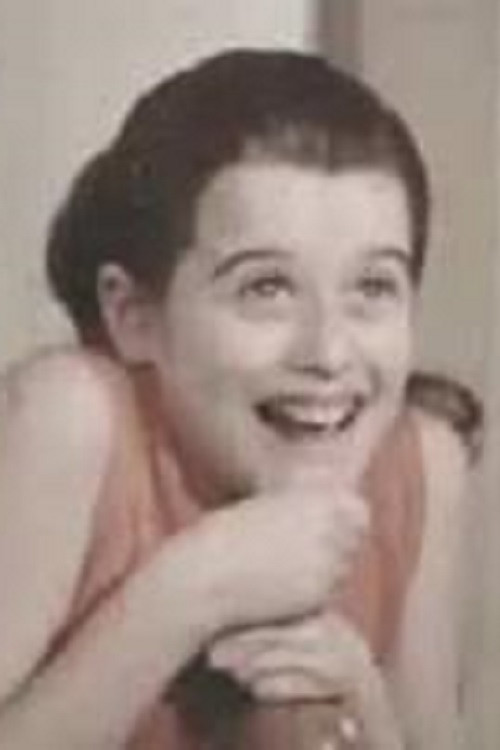
It's Wonderful Being a Girl 1968
Step into the candid world of 1968 with *It's Wonderful Being a Girl*, a short but impactful educational film that peers into the intimate experience of menstruation among young women.
Frequently Asked Questions
What is It's Wonderful Being a Girl (1968) about?
This 17-minute educational short explores the physical and emotional journey of menstruation in young girls during the late 1960s. It blends scientific explanation with personal reflections, offering a rare glimpse into the experiences of adolescence from a bygone era.
Who directed It's Wonderful Being a Girl?
Director information is not available.
Who stars in It's Wonderful Being a Girl?
Cast details are not listed for this short film.
Is It's Wonderful Being a Girl (1968) worth watching?
As a historical and educational piece, *It's Wonderful Being a Girl* offers a unique window into 1960s attitudes toward women's health. While it may lack the cinematic polish of feature films, its raw honesty and cultural significance make it intriguing for those interested in social history or educational media.
How long is It's Wonderful Being a Girl?
The runtime of *It's Wonderful Being a Girl* is 17 minutes.
About It's Wonderful Being a Girl (1968) — A Candid 1960s Short on Adolescence and Menstruation
Step into the candid world of 1968 with *It's Wonderful Being a Girl*, a short but impactful educational film that peers into the intimate experience of menstruation among young women. This 17-minute short captures the raw emotions and physical changes of adolescence, blending scientific clarity with emotional resonance. Set against the backdrop of the late 1960s, the film navigates its delicate subject with surprising warmth and honesty, offering a snapshot of a transformative phase in life. The understated yet poignant atmosphere lingers, making it a fascinating artifact for both nostalgia and social history.
Though modest in length, *It's Wonderful Being a Girl (1968)* stands out for its groundbreaking approach to a topic often shrouded in silence. It bridges the gap between clinical education and personal reflection, reflecting the era's shifting attitudes toward women's health and autonomy. Whether viewed as a cultural relic or a genuine guide for young girls, its legacy endures as a testament to the power of straightforward storytelling in cinema.