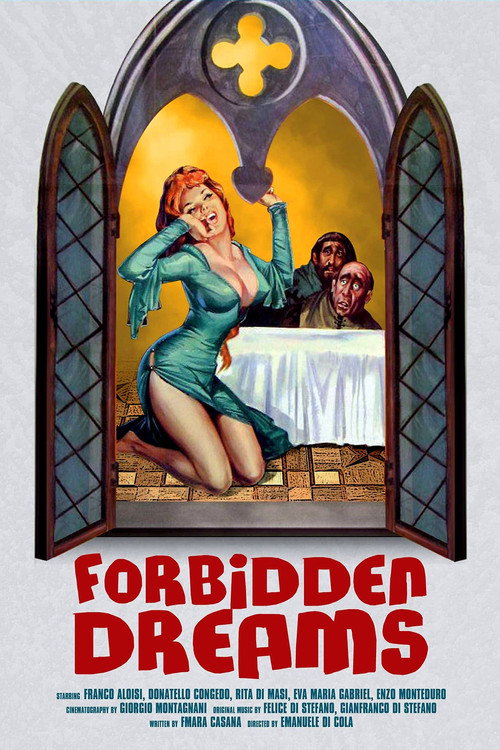
Forbidden Dreams 1973
Step into the moral labyrinth of *Forbidden Dreams (1973)*, Emanuele Di Cola's sharp-edged comedy that explores faith, hypocrisy, and human frailty.
Director: Emanuele Di Cola
Cast

Frequently Asked Questions
What is Forbidden Dreams (1973) about?
*Forbidden Dreams* follows a young priest sent to assist an elderly colleague in a small Italian village, only to face the villagers' distrust and his own moral struggles. As he fights to uphold his principles, he grapples with the weight of human weaknesses and societal judgment.
Who directed Forbidden Dreams?
Forbidden Dreams was directed by Emanuele Di Cola, an Italian filmmaker known for blending sharp humor with thoughtful social commentary.
Who stars in Forbidden Dreams?
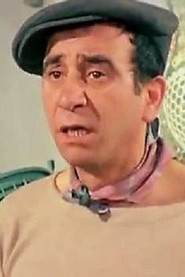
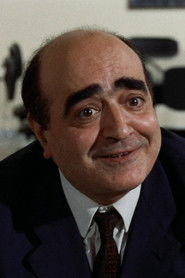
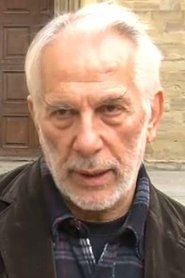
The film stars Franco Aloisi, Donatello Congedo, Rita Di Masi, Eva Maria Gabriel, and Enzo Monteduro in central roles.
Is Forbidden Dreams (1973) worth watching?
With its biting satire and grounded themes, *Forbidden Dreams* offers a compelling watch for fans of 1970s Italian cinema and character-driven comedies. While not widely rated on IMDb, its exploration of morality and hypocrisy gives it a unique edge worth considering.
How long is Forbidden Dreams?
Forbidden Dreams has a runtime of 92 minutes.
Forbidden Dreams (1973): A Comedy of Faith, Temptation, and Rural Hypocrisy
Step into the moral labyrinth of *Forbidden Dreams (1973)*, Emanuele Di Cola's sharp-edged comedy that explores faith, hypocrisy, and human frailty. A compassionate young priest arrives in a remote village, sent to assist an aging colleague whose faith has been worn thin by time and apathy. Determined to revive the community's spiritual spirit, he quickly finds himself entangled in a web of mistrust and hidden desires. As the villagers' judgmental whispers grow louder, the priest's own convictions are tested, pushing him toward personal and moral compromise.
Set against the sun-bleached backdrop of rural Italy, the film balances biting satire with moments of raw vulnerability. Di Cola crafts a tone that oscillates between farce and melancholy, exposing the gap between pious appearances and earthly impulses. The story thrives on its clash of ideals and instincts, leaving audiences to question whether redemption is ever truly within reach when desire and duty collide.