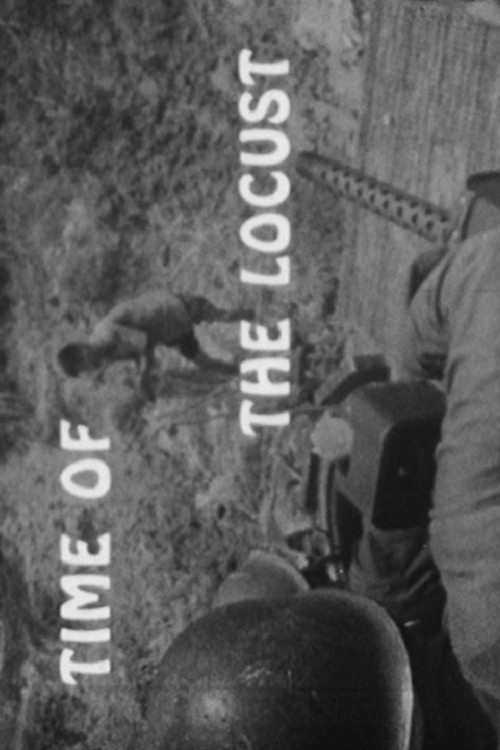
Time of the Locust 1966
Dive into the raw intensity of *Time of the Locust (1966)*, a hauntingly concise documentary that peels back the propaganda of the Vietnam War.
Director: Peter Gessner
Frequently Asked Questions
What is Time of the Locust (1966) about?
*Time of the Locust* is a compact but devastating documentary that dissects the Vietnam War through a collage of American news footage, rare Vietnamese and Japanese camera work, and suppressed television segments. It contrasts the polished speeches of leaders like Lyndon Johnson with the brutal on-the-ground realities of war, stripping away the gloss to reveal its horrific core.
Who directed Time of the Locust?
Peter Gessner directed *Time of the Locust (1966)*, crafting a film that merges archival urgency with avant-garde storytelling techniques.
Who stars in Time of the Locust?
Cast details for *Time of the Locust (1966)* are not publicly available, including the voices featured in the film, which include political and military figures.
Is Time of the Locust (1966) worth watching?
While *Time of the Locust* isn't a mainstream film, its 12-minute runtime packs a punch for viewers seeking unconventional, politically charged documentaries. Its experimental approach and raw footage make it a fascinating, if difficult, watch for those interested in war's realities and propaganda's role in shaping history.
How long is Time of the Locust?
*Time of the Locust (1966)* runs for 12 minutes.
About Time of the Locust (1966) — A 12-Minute Vietnam War Documentary Masterpiece
Dive into the raw intensity of *Time of the Locust (1966)*, a hauntingly concise documentary that peels back the propaganda of the Vietnam War. Directed by Peter Gessner, this 12-minute film stitches together fragmented news reels, clandestine footage from Vietnamese and Japanese sources, and the chilling voices of Lyndon Johnson and military leaders to expose the grim disconnect between political rhetoric and battlefield reality. The stark black-and-white visuals, underscored by Morton Feldman's unsettling score, transform archival material into a visceral meditation on war's absurdity and human cost.
As a wartime mosaic, *Time of the Locust (1966)* doesn't just recount history—it forces viewers to confront it, layering cold facts with the emotional weight of suppressed truths. The film's minimal runtime belies its power, using juxtaposition and silence to underscore themes of propaganda, civilian suffering, and the dehumanizing machinery of conflict. For history buffs and cinephiles alike, it's a stark reminder of how easily narratives are manipulated—and how urgently they must be questioned.