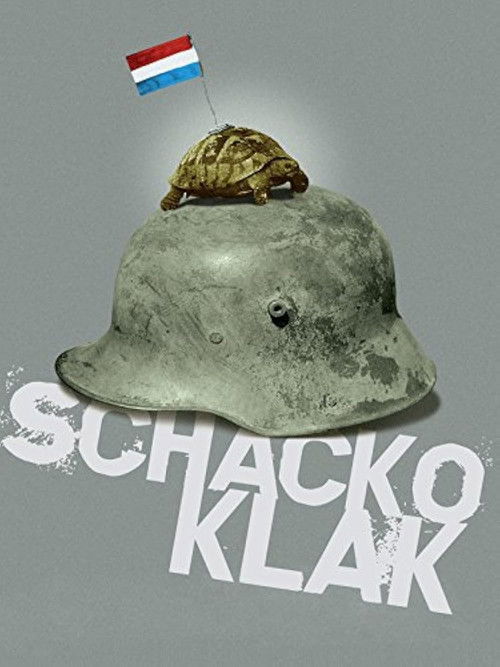
Schacko Klak 1989
Set against the quiet backdrop of a Luxembourg village in 1942, *Schacko Klak* weaves a poignant historical drama during the early days of Nazi occupation.
Director: Frank Hoffmann
Cast

Frequently Asked Questions
What is Schacko Klak (1989) about?
*Schacko Klak* unfolds in a Luxembourg village during 1942, when the early stages of Nazi occupation have yet to fully disrupt daily life. The film delicately balances the tension between ordinary routines and the looming threat of war, focusing on the villagers' quiet struggles and subtle acts of defiance. As the title suggests, it's a story where appearances can be deceiving.
Who directed Schacko Klak?
*Schacko Klak* was directed by Frank Hoffmann, a filmmaker known for his thoughtful and character-driven approach to historical narratives.
Who stars in Schacko Klak?
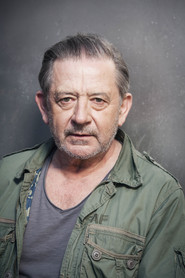
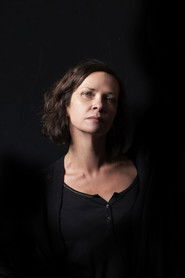
The film features André Jung, Myriam Muller, and Claude Wagner in key roles, alongside supporting performances by Michèle Clees and Paul Greisch.
Is Schacko Klak (1989) worth watching?
Though unrated on IMDb, *Schacko Klak* offers a compelling snapshot of historical drama with strong performances and a haunting atmosphere. Its focus on subtlety and realism makes it a rewarding watch for fans of nuanced war films.
How long is Schacko Klak?
The runtime for *Schacko Klak* is 89 minutes.
About Schacko Klak (1989) — A Historical Drama of War and Resilience
Set against the quiet backdrop of a Luxembourg village in 1942, *Schacko Klak* weaves a poignant historical drama during the early days of Nazi occupation. Directed by Frank Hoffmann, the film captures a moment suspended in time—before the full weight of war descends—where life carries on under the eerie calm of uncertainty. The title itself, blending the German word for helmet and the French term for a collapsing top hat, hints at the duality of oppression and resistance lurking beneath the surface. With a talented cast led by André Jung and Myriam Muller, the movie explores themes of resilience, hidden tensions, and the fragile balance between normalcy and looming conflict. Its somber yet reflective atmosphere lingers long after the credits roll.
Frank Hoffmann crafts a deeply atmospheric narrative that blends historical weight with intimate character moments. The film's subtlety in portraying resistance—through small acts rather than grand gestures—makes it a standout in Luxembourgish cinema. Audiences drawn to understated, character-driven dramas will find *Schacko Klak* both thought-provoking and quietly powerful.