
The Woman Opposite 2006
Directed by Hideyuki Hirayama, *The Woman Opposite (2006)* weaves a compelling tale of two women whose lives are as contrasting as night and day.
Director: Hideyuki Hirayama
Cast






Frequently Asked Questions
What is The Woman Opposite (2006) about?
*The Woman Opposite (2006)* follows two women from vastly different backgrounds whose paths unexpectedly cross, revealing how shared struggles can bridge even the widest divides. Their contrasting perspectives on life, love, and duty create a poignant exploration of fate and human connection.
Who directed The Woman Opposite?
Hideyuki Hirayama directed *The Woman Opposite (2006)*, bringing a delicate, character-focused approach to this intimate TV movie.
Who stars in The Woman Opposite?
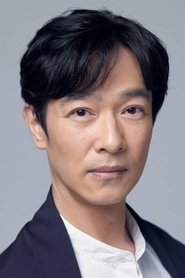
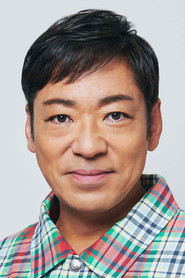
The film stars Yui Natsukawa, Naomi Zaizen, Mikako Tabe, Miku Ishida, and Masato Sakai in central roles.
Is The Woman Opposite (2006) worth watching?
While not widely rated on IMDb, *The Woman Opposite (2006)* offers a gentle, character-driven drama perfect for fans of slice-of-life storytelling. Its themes of resilience and unexpected connections make it a solid pick for a cozy evening in.
How long is The Woman Opposite?
*The Woman Opposite (2006)* runs for 103 minutes, delivering a concise yet impactful narrative.
About The Woman Opposite (2006) — A Heartfelt Story of Contrasting Lives
Directed by Hideyuki Hirayama, *The Woman Opposite (2006)* weaves a compelling tale of two women whose lives are as contrasting as night and day. Their differences span social standing, worldviews, and lived experiences, creating a narrative that explores the unpredictable twists of fate and the unspoken bonds that connect us all. Set against the backdrop of everyday Japan, the film balances quiet moments with emotional depth, inviting viewers to reflect on how people from opposite corners of life can still find common ground. With Yui Natsukawa and Naomi Zaizen leading a talented cast, the story unfolds with sincerity and tenderness, making it a standout among TV movies of its time.
The atmosphere of *The Woman Opposite (2006)* is intimate and understated, allowing the characters' personal struggles and small victories to take center stage. Hirayama's direction ensures that even the most subtle shifts in tone feel meaningful, drawing audiences into a story that's as much about inner growth as it is about external circumstances. Whether you're drawn to its themes of resilience and connection or simply curious about Japanese TV movies from the mid-2000s, this film offers a thoughtful, character-driven experience.